

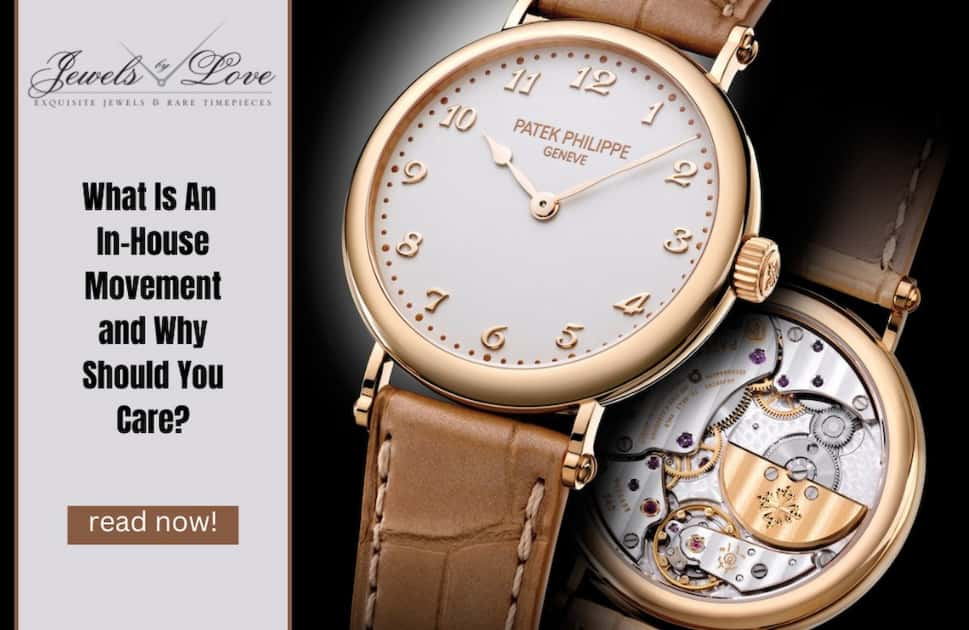
Behind every luxury watch lies a story. And at the heart of that story is the movement—the intricate mechanism that brings a timepiece to life. When a watch boasts an in-house movement, it signals something extraordinary. Which is not just about functionality but about a brand pouring its expertise, innovation, precision, and identity into crafting every gear, spring, and wheel from the ground up.
The reason why In-house movements are important to luxury watch enthusiasts like you is because in-house movements reflect a brand’s commitment to mastery. They’re a shining example of independence and ingenuity that elevates the precision, craftsmanship, and longevity of the watch. For those who appreciate horology, owning a watch with an in-house movement is like holding a piece of the brand’s DNA on your wrist—a small marvel built to perfection.
So, is it all just hype? Or does it truly define what makes a watch exceptional? Let’s dive into what sets these movements apart and why they matter more than ever.
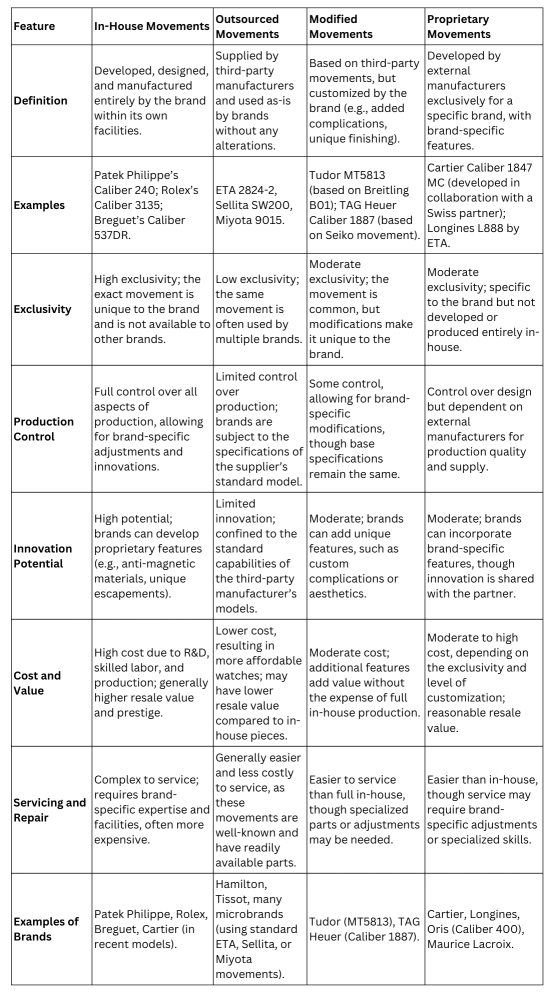
What is In-house Movement and How is it different from others?
History of In-House Movements in Watchmaking
The journey of in-house movements is as intricate as the mechanisms themselves. It’s a story of innovation, survival, and resurgence. Explore the rich legacy of in-house movements in watchmaking.
18th–19th Century: The Établissage Era
Swiss watchmaking began with a decentralized approach called the établissage system. Brands used to source components like escapements and balance springs from specialized artisans and assembled these pieces into complete watches. This method propelled innovation but had very limited control over quality and design.
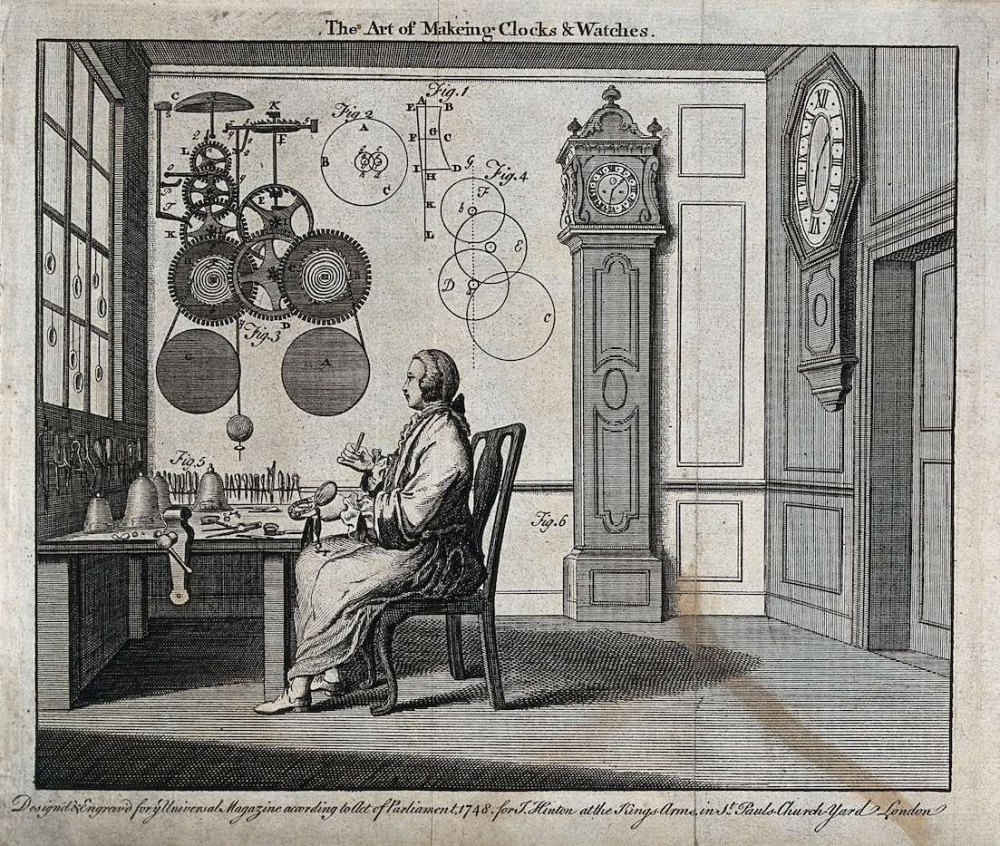
Source: A watchmaker assembling a watch at his workstation
For advancements in mechanical production, the Swiss watch industry began manufacturing components with precision and reliability. While some brands embraced full-scale in-house production, others, like ETA, focused on crafting high-quality ébauche movements which were unbranded mechanisms sold to watchmakers for finishing and branding. This dual path laid the foundation for Switzerland’s dominance in global watchmaking.
1970s: The Quartz Crisis
1970 became the disruptive era of quartz technology. Affordable, battery-powered watches from Japan swept the market making Swiss mechanical watches struggle for relevance. Ironically, the Swiss had pioneered quartz movements with the Beta 21 but failed to capitalize. The crisis resulted in many brands shutting down, consolidating, or abandoning movement production altogether. The industry was on the verge of collapse, raising serious doubts about the future of mechanical watches.
1980s: Revival Through Craftsmanship
Against all odds, mechanical watches found their way back into the spotlight. This time as symbols of artistry and heritage rather than tools for precise timekeeping. Iconic brands like Rolex, Audemars Piguet, and Patek Philippe leaned into their mechanical roots and revived earlier models while still offering quartz options. Slowly, the narrative shifted, and owning these watches came to mean possessing a piece of timeless craftsmanship.
2002: The Swatch Group Sparks Change
The Swatch Group’s announcement to reduce movement supplies from ETA forced the industry’s hand. Brands reliant on third-party movements faced a crossroads: innovate or remain dependent. This pivotal moment ignited a wave of in-house development with luxury brands like Cartier, Patek Philippe, and Breguet leading the charge.
Brands began to treat these mechanisms as a canvas for creativity and expertise. Patek Philippe, for instance, launched its legendary Caliber 240, celebrated for its ultra-thin design. Breguet brought forward masterpieces like the Tradition line, echoing the brand’s pioneering spirit. Cartier transformed its identity with movements such as the 1904 MC, combining elegance with technical prowess.
Present Day: A Symbol of Excellence
Today, in-house movements are celebrated as hallmarks of craftsmanship and innovation in luxury watchmaking. Brands like Rolex, Omega, and Jaeger-LeCoultre have made significant strides creating calibers renowned for their precision, reliability, and intricate engineering. These movements represent years of research, pushing boundaries in design and performance.
But some brands go even further. Patek Philippe, Breguet, and Cartier infuse their calibers with not just technical brilliance but a sense of artistry and heritage. Curious about what sets them apart? Stay tuned for an in-depth dive into their storied evolution and unmatched achievements in horology
Have a Look at Patek Philippe’s In-House Movements
Patek Philippe’s in-house movements are a benchmark of watchmaking brilliance that includes precision, durability, and artistic mastery. The brand’s dedication to haute horlogerie is evident in every caliber, each crafted to deliver both technical excellence and timeless elegance.
Notable In-House Movements
Caliber 240: Introduced in 1977, this ultra-thin self-winding movement uses a micro-rotor to maintain a slim profile while ensuring reliable performance. Found in 7200 the most iconic reference, 5026.

Source Patek Philippe Caliber 240
Caliber CH 29-535 PS: A manual-winding chronograph movement with a column wheel and horizontal clutch. It is lauded for its precision and classic design. It powers iconic models like the 5170 and 5270, showcasing Patek’s expertise in traditional watchmaking.
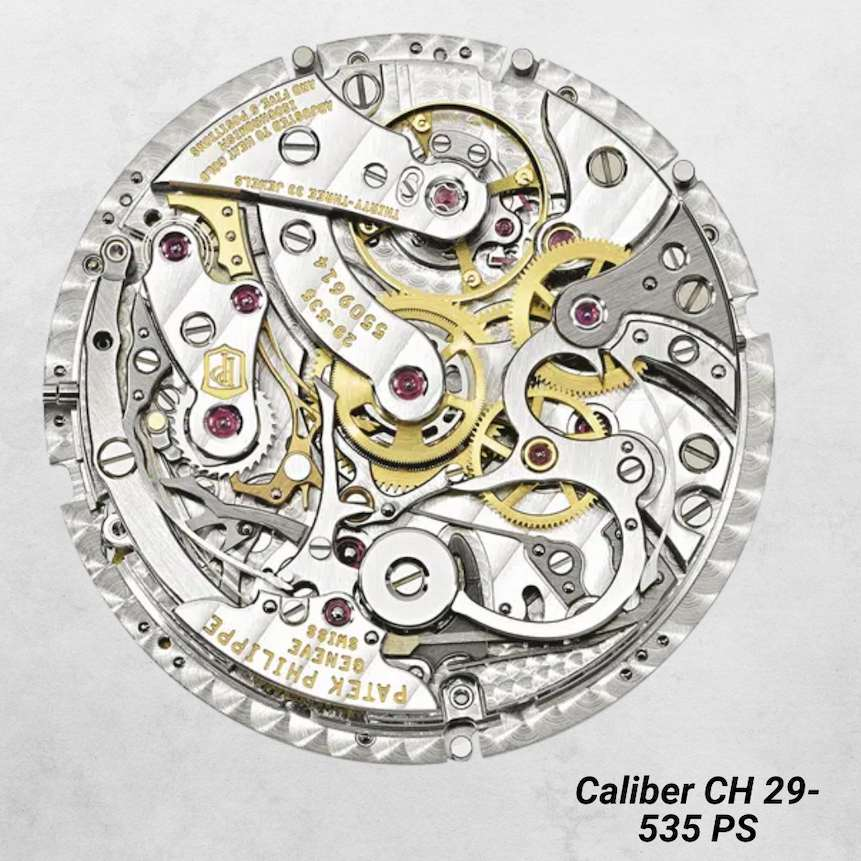
Source Patek Philippe Caliber CH 29-535 PS
Caliber 324: Known for its high frequency and anti-magnetic properties, this automatic movement delivers robust performance in models like the Aquanaut and Calatrava Pilot.

Source: Patek Philippe Caliber 324
Grand Complications Series Movements: Featuring calibers like the R 27 found in reference 5078G and 240 Q in reference 5327J, these movements integrate features like minute repeaters, perpetual calendars, and tourbillons that represent Patek’s mastery over intricate mechanisms.
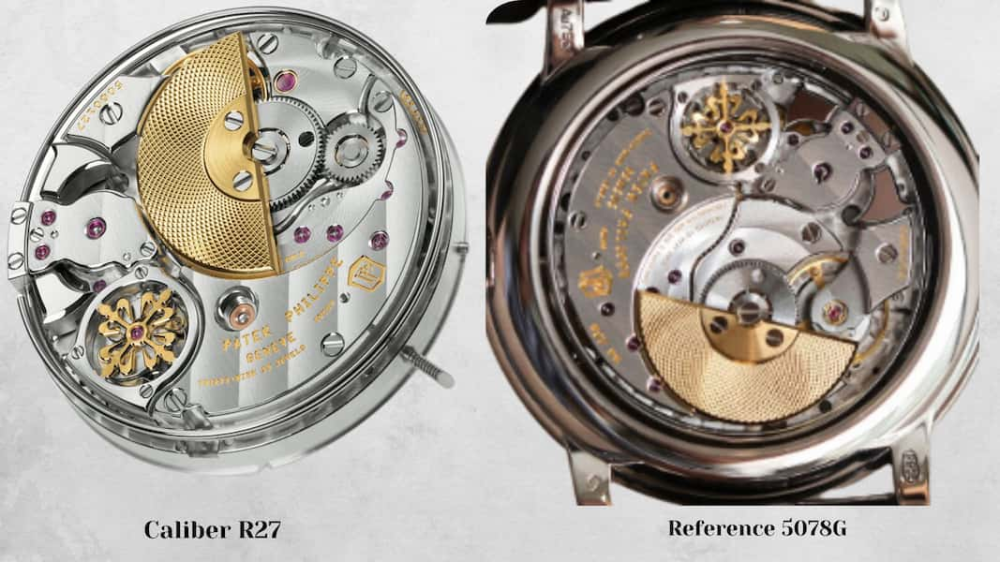
Patek Philippe Caliber R27 in reference 5078G
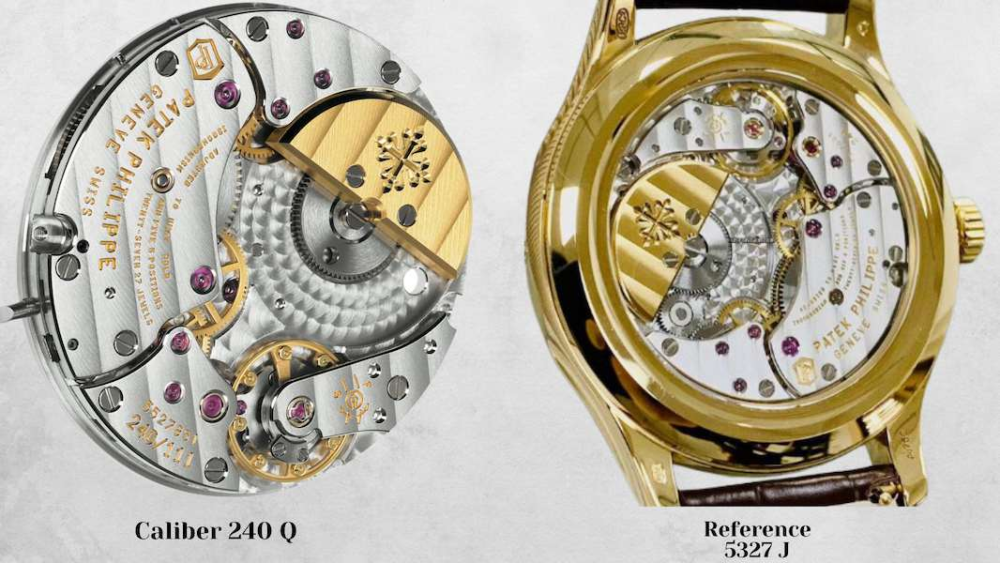
Patek Philippe Caliber 240 Q in Reference 5327 J
Breguet’s Legacy and Innovation in In-House Movements
Breguet’s contributions to watchmaking are the greatest hits of horological history. The tourbillon was invented by Abraham-Louis Breguet. The Breguet balance spring also. Even shock-resistant tech in Breguet Type XX Chronograph 2067 like the pare-chute traces back to his genius. But Breguet hasn’t stopped innovating. Its in-house movements continue to push boundaries while honoring the brand’s historic roots.
Key In-House Movements
Caliber 537/1: This self-winding movement features central seconds and is known for its reliability and precision. It powers models like the Classique Dame 9087.
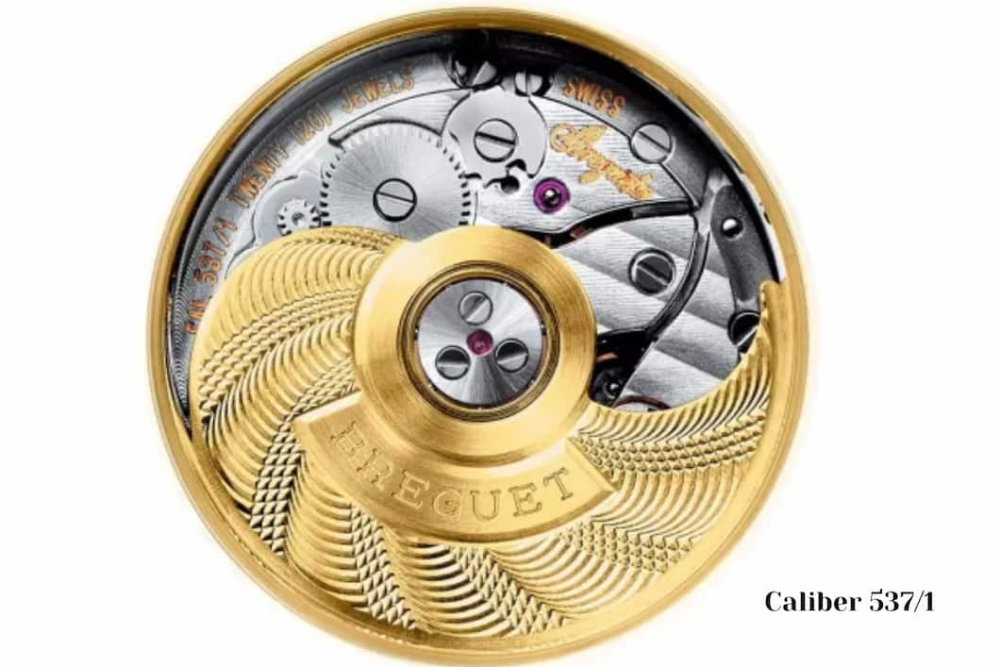
Source: Breguet Caliber 537/1
Caliber 537/2: An evolution of the 537/1, this automatic movement includes a small-second function to improve timekeeping accuracy. It's utilized in models such as the Héritage White Gold Diamond.
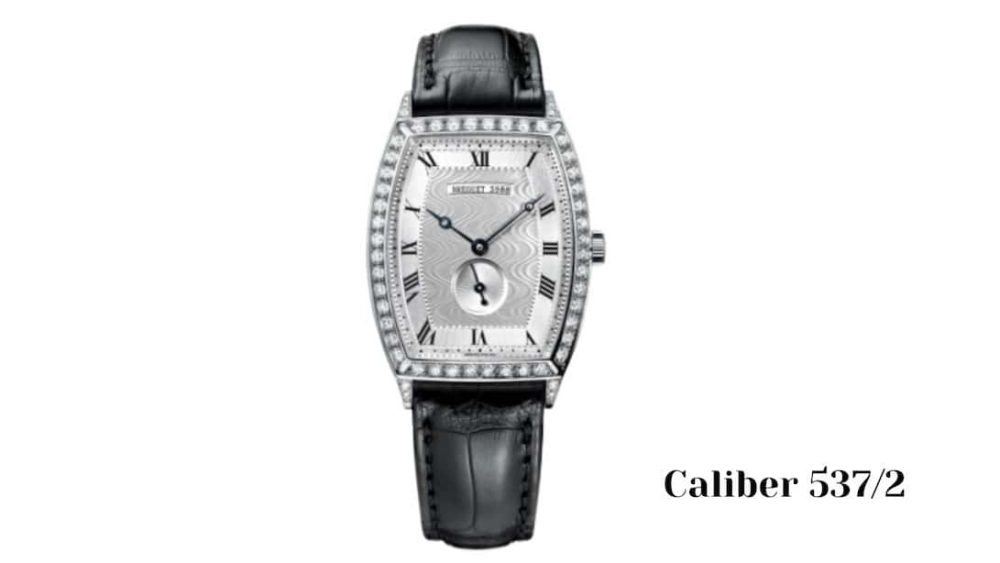
Source: Breguet Caliber 537/2 in reference 3661BB
Caliber 537/3: This movement is celebrated for its elegant execution and is found in models like the Reine de Naples 8918.
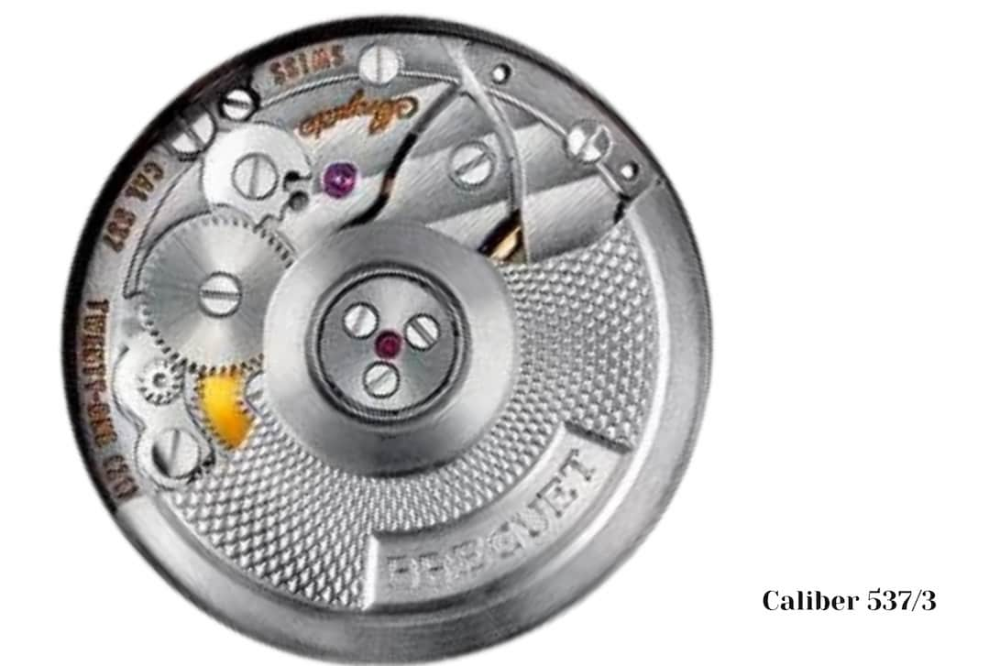
Source: Breguet’s In-House Movements Caliber 537/3
Caliber 574DR: Featured in the Classique Chronométrie 7727, this movement operates at an impressive 10 Hz frequency and offers exceptional precision. It incorporates magnetic pivots, allowing the balance wheel to remain centered and function effectively in all positions and against shocks.
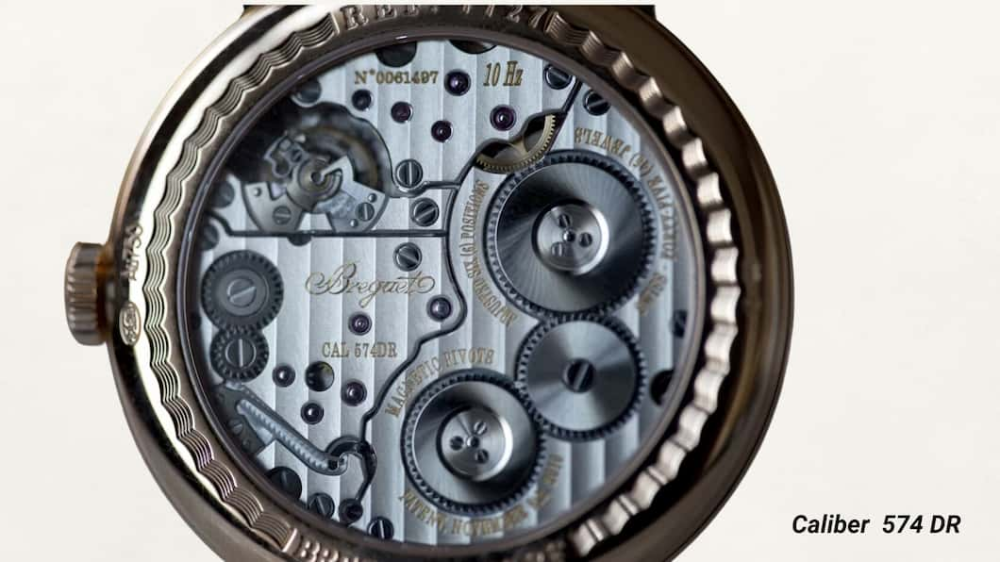
Source: Breguet’s Caliber 574 DR
Breguet’s calibers are more than mechanisms; they are living proofs of craftsmanship and innovation. To know more, visit Breguet Watches' journey.
Cartier’s Foray into In-House Movements and Modern Achievements
Cartier, long celebrated for its elegance, has made bold strides in watchmaking with its in-house movements. At its La Chaux-de-Fonds (a town in Switzerland) manufacture, the brand masterfully blends innovation with timeless design and creates calibers that reflect both precision and artistry.
Major In-House Movements
- Caliber 1904 MC: Cartier’s first fully in-house automatic movement, featured in the Calibre de Cartier and Ballon Bleu. Built for durability and precision, it uses ceramic ball bearings for smooth performance.
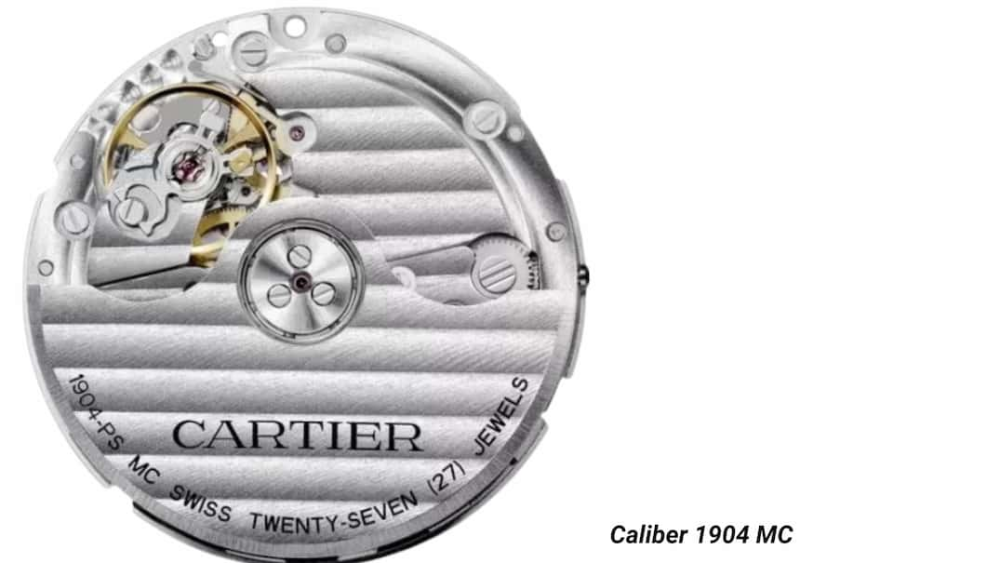
Source: Cartier Caliber 1904 MC
- Caliber 9611 MC: This skeletonized masterpiece, found in models like the Santos Skeleton, turns functionality into art. Its open design reveals the intricate craftsmanship beneath.
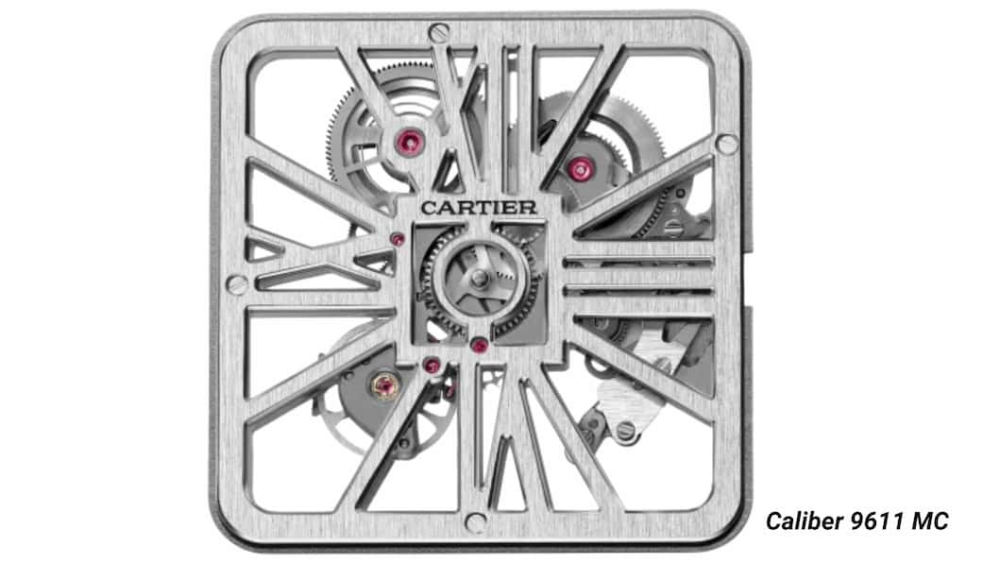
Source: Cartier Caliber 9611 MC
- Caliber 1847 MC: Designed for the Cartier Santos, this automatic movement stands out for its anti-magnetic properties, making it both practical and refined.
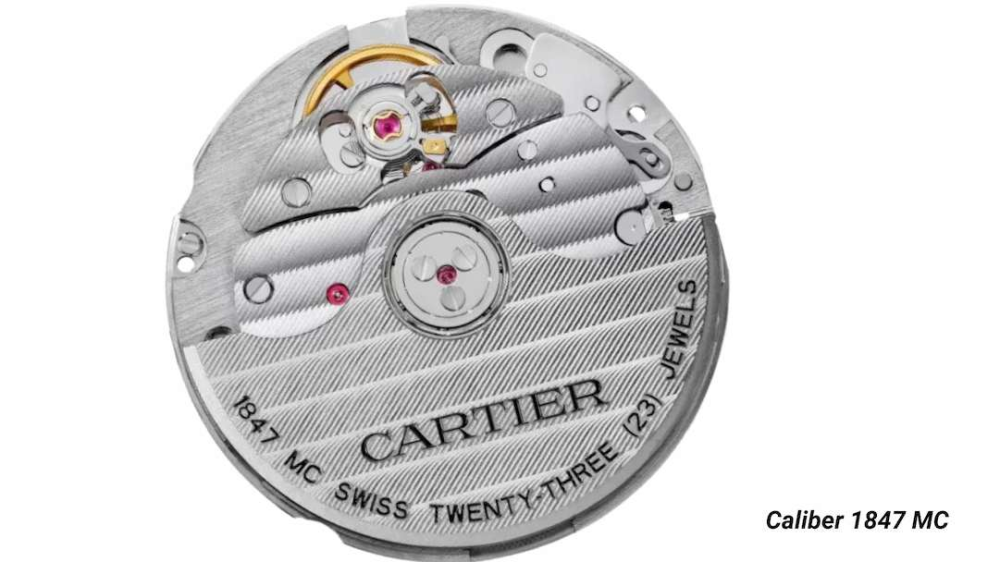
Source: Cartier Caliber 1847 MC
- High Complications (Caliber 9454 MC and 9983 MC): Tourbillons, minute repeaters, and more—these calibers signal Cartier’s rise as a force in haute horlogerie.
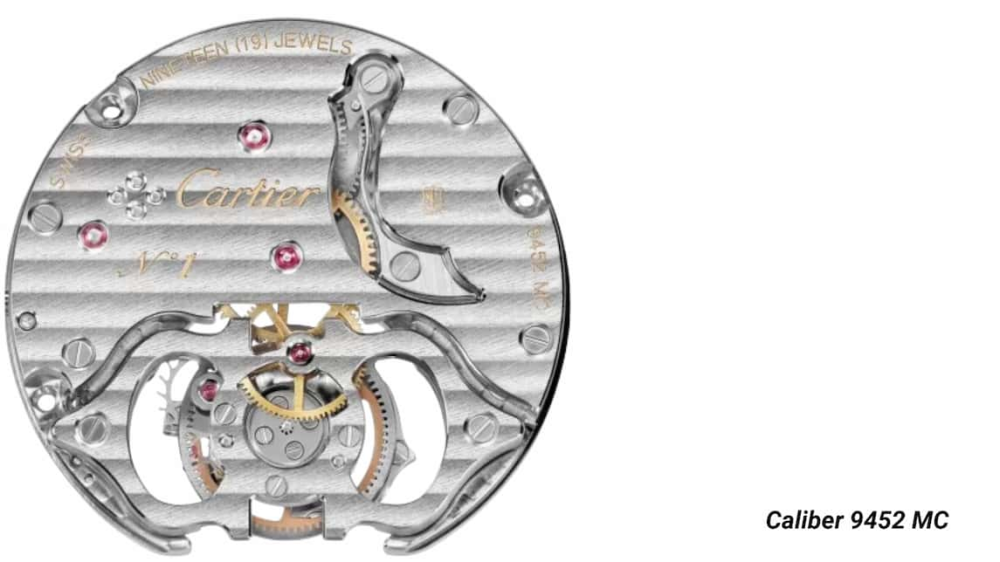
Source: Cartier Caliber 9452 MC
Cartier’s approach to watchmaking is as bold as it is beautiful, proving that elegance and innovation can share the same dial.
Why In-House Movements Matter to Watch Owners
There’s something special about owning a watch with an in-house movement. It’s about owning a piece of originality and craft that feels personal, rare, and undeniably valuable. Here is why in-house movements matter for the watch enthusiasts like you:
Resale Value That Stands the Test of Time
Watches with in-house movements tend to hold, or even grow, in value. Why? They’re exclusive to the brand, meticulously crafted, and appeal to collectors looking for originality.
Art Meets Functionality
In-house movements are where mechanics meet art. From intricate skeletonized designs to seamless precision, these calibers cater to collectors who crave either beauty, performance, or both. Each part represents a nod to the brand’s unique approach to engineering.
A Legacy Investment
Watches with In-house movements often become heirlooms. Passed down from one generation to the next, they carry not just monetary value but emotional significance too. Curious, how luxury watches are equally good investments like real estate and luxury cars? Take a look at this guide.
In short, a luxury watch with an in-house movement isn’t just an investment but an experience. It’s the kind of piece that doesn’t just be on your wrist but adds charm to whoever wears it. There’s something magnetic about its story and craftsmanship that draws in collectors, enthusiasts, and anyone who appreciates the finer things in life.
Discover Authentic Luxury Watches with In-House Movements at Jewels by Love
When it comes to fine watches, authenticity and expertise are everything. At Jewels by Love, we’re not just an authorized retailer—we’re curators of history, craftsmanship, and timeless luxury. For over 150 years, our family-owned legacy has been rooted in a commitment to excellence, sourcing the most exquisite timepieces crafted with precision and integrity.
Whether you’re captivated by the intricate artistry of in-house movements or seeking a watch that speaks to your individuality, our collection brings you closer to the brands and traditions that define true horology. Explore our selection of Breguet, Cartier, and Patek Philippe, where each timepiece tells a story of innovation and elegance.
Ready to find your perfect watch? Contact us today to experience the art of fine watchmaking.
Additional Resource:
https://www.jewelsbylove.com/blog/post/nomos-worldtimer-unveiled-at-watches-and-wonder-2025.html
https://www.jewelsbylove.com/blog/post/cartier-unveils-new-releases-at-watches-and-wonders-2025.html
https://www.jewelsbylove.com/blog/post/cartier-tortue-history-evolution-200-limited-edition.html
https://www.jewelsbylove.com/blog/post/best-watch-boutiques.html