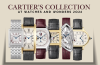


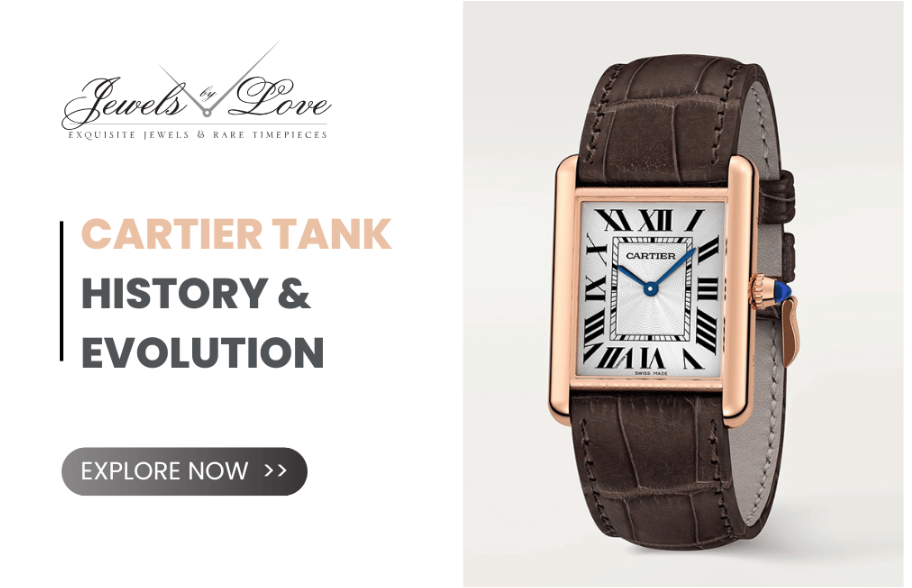
Born from the brutal machinery of war, yet destined to grace the wrists of artists, royalty, and rule-breakers, the renowned Cartier Tank as a remarkable timepiece.
It has its characteristic rectangular shape from the treads of a tank, an idea that the designer found while looking at the warfare. Where its roots may look industrial in nature, the result was an embodiment of elegant defiance.
Over a century and beyond, the Tank remains one of the most iconic watches in the world. It’s been worn by Jackie Kennedy, Andy Warhol, and Princess Diana, people who never needed to shout to be seen. Quietly bold, effortlessly refined, and completely unmistakable.
How has this idea born in the middle of war transformed into a high fashion phenomenon? Why don’t we turn the clock back and explore the History of the Cartier Tank? Let’s get started.
The Birth of the Cartier Tank (1917)
In 1917 Chaos of World War I, Louis Cartier found inspiration from an unlikely place: the Renault FT-17 tank. The distinguishing factor of this French military vehicle was its fully rotating turret as well as a modern sleek shape, which Cartier incorporated into a watch that shows strength and simplicity.
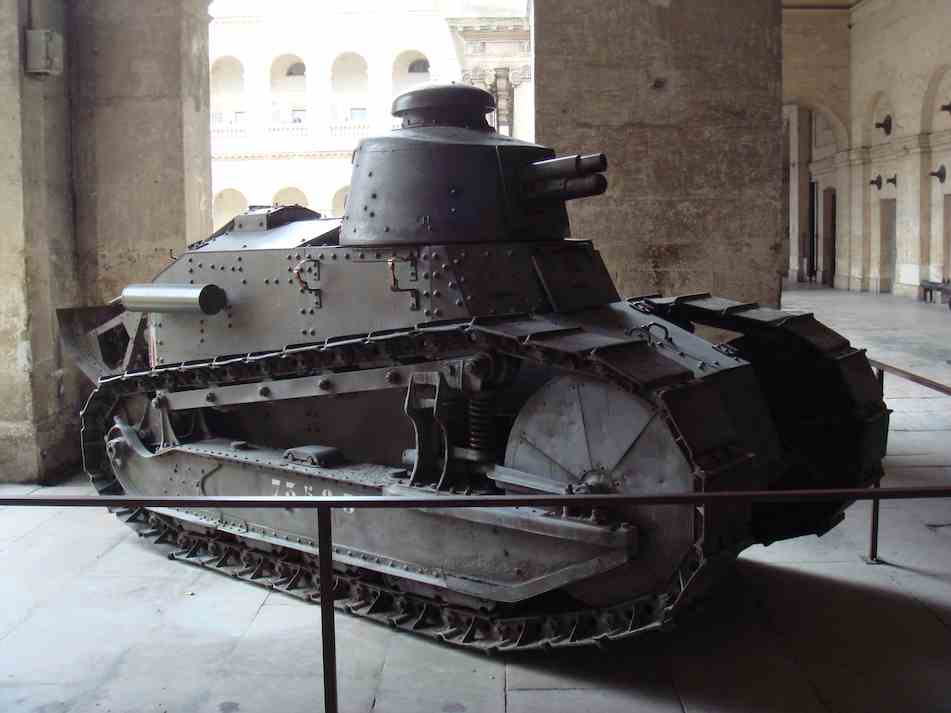
Renault FT-17 Tank
The result was a timepiece with a rectangular case and parallel brancards that represent the tank's silhouette.
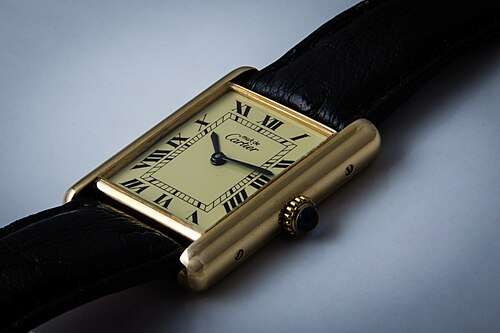
The Cartier Tank Must was introduced in 1917, according to Wikipedia
In that year, 1918, the first pioneering prototype of this design was given to General John Pershing, the commander of the American Expeditionary Forces. The honor showered on Pershing highlighted his service, at the same time, heralded the first appearance of a watch that would become known as class and strength.
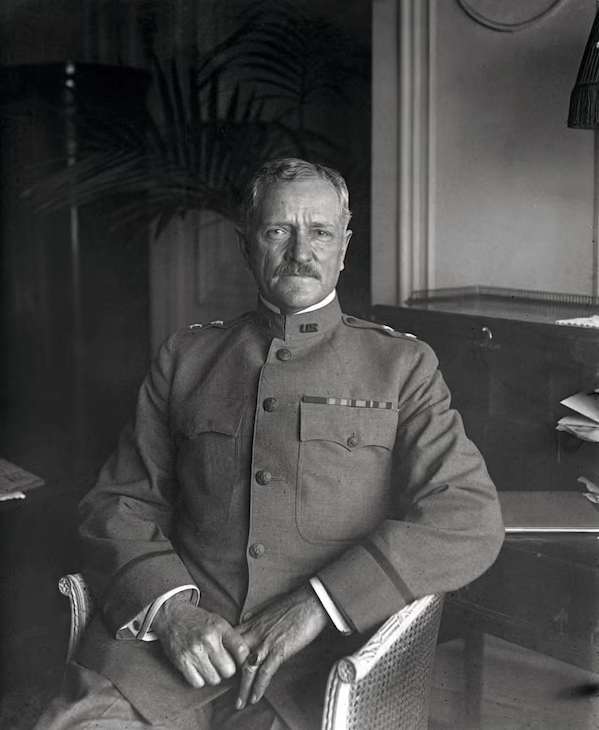
U.S. General John Pershing
In 1919, Cartier launched the Tank Normale, which was their first watch under the Tank line. The Tank Normale possessed a special appeal and elegance as a result of the features that were typical for it, such as a clean dial decorated with Roman numerals, the chemin de fer minute track, and other special touches, such as the use of blued steel hands: all that became hallmarks of watch design. The blend between military inspiration and superior craftsmanship in the Tank Normale created a legacy that endures to this day among watch collectors worldwide.
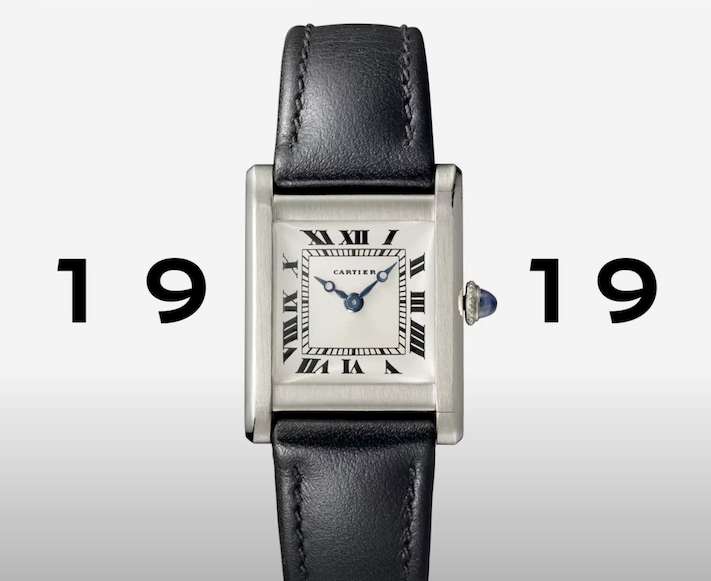
1919, Cartier officially launched the Tank Normale
Evolution Through the 20th Century
In the early 1920s, Cartier had a creative explosion during which it introduced several variations of the Tank watch that combined bleeding-edge design with excessive refinement.
Tank Cintrée (1921)
First introduced in 1921, the Tank Cintrée, a derivative of the French term “curved,” was designed with an elongated, slightly curved case figured to flow along the shape of the wrist. The Tank Cintrée was distinctive for better ergonomics and a style which was its own, dissimilar from the foundational Tank Normale.
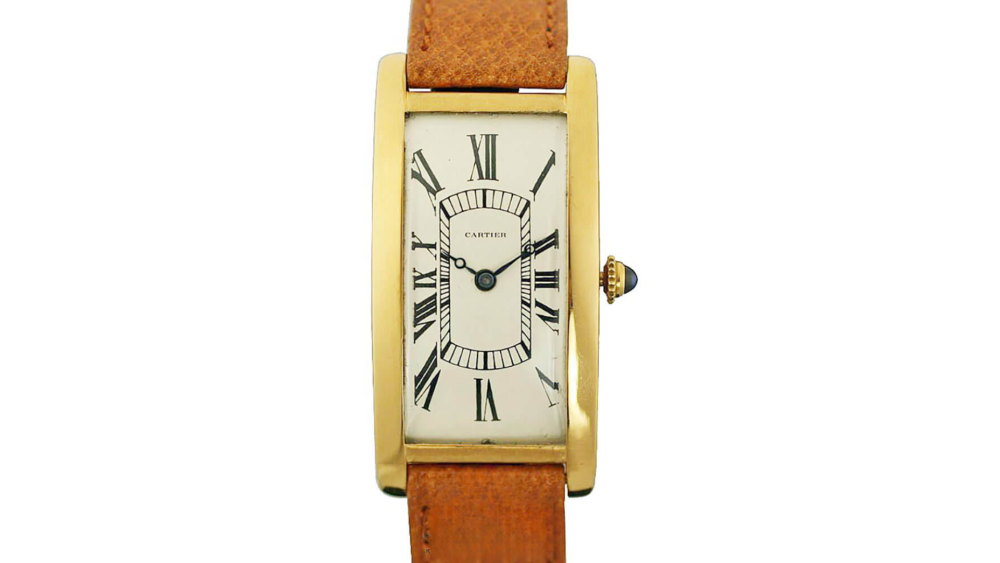
Original Tank Cintrée (1921)
Tank Louis Cartier (1922)
Originally designed in 1922, the Tank Louis Cartier tamed the initial prototype to have smooth curves and rounded brancards. It symbolized Cartier’s place in elegance and quickly came to be one of its signature designs.
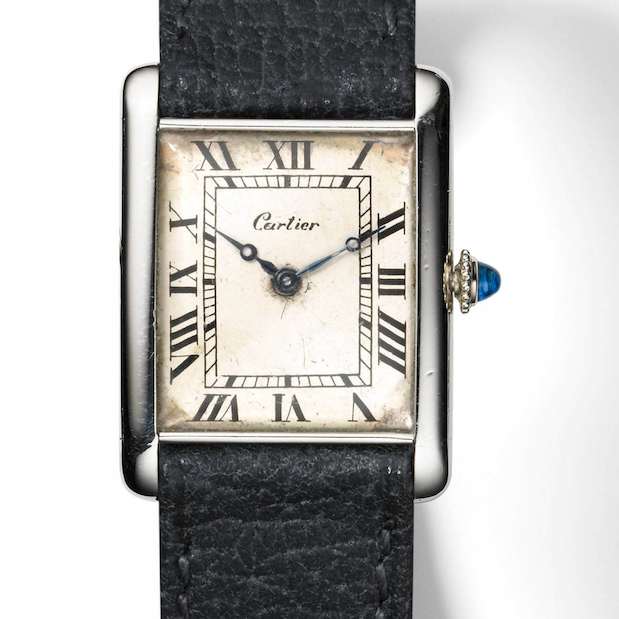
Tank Louis Cartier in 1922
Tank Chinoise (1922)
Tank Chinoise was introduced in 1922 and was inspired by Chinese architecture that had a square case with additional horizontal bars at the top and bottom, which called to mind temple porticos. This scheme also reflected the current fascination with oriental art and oriental culture.
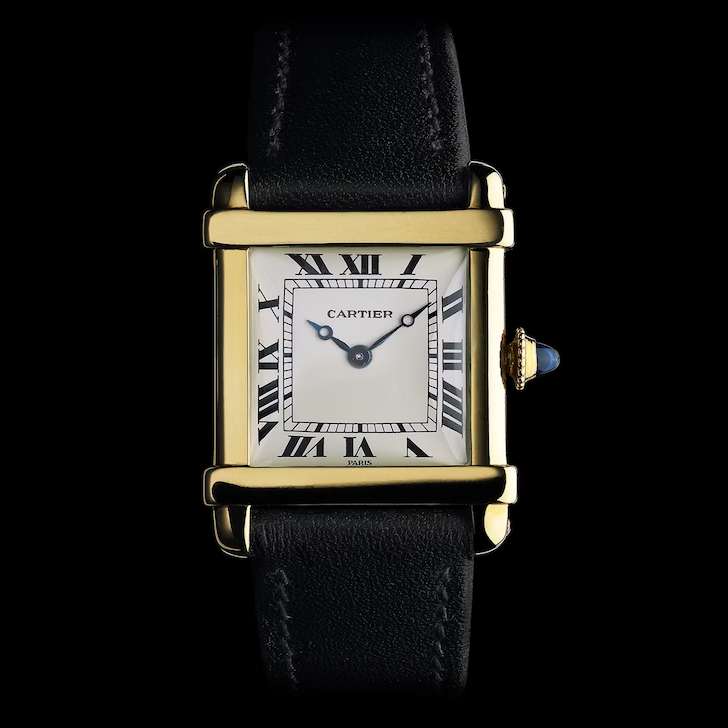
Tank Chinoise (1922)
Tank Allongée
In the 1920s, the Tank Allongée was presented with the dramatically stretched case hood that achieved a refined and elegant look. The extremely extended structure received a lot of attention for its minimalist features, appealing to customers wishing for a unique thing. These designs of the 1920s display Cartier’s ahead-of-the-curve attitude in uniting the aesthetic of watch-making with a sense of practicality.
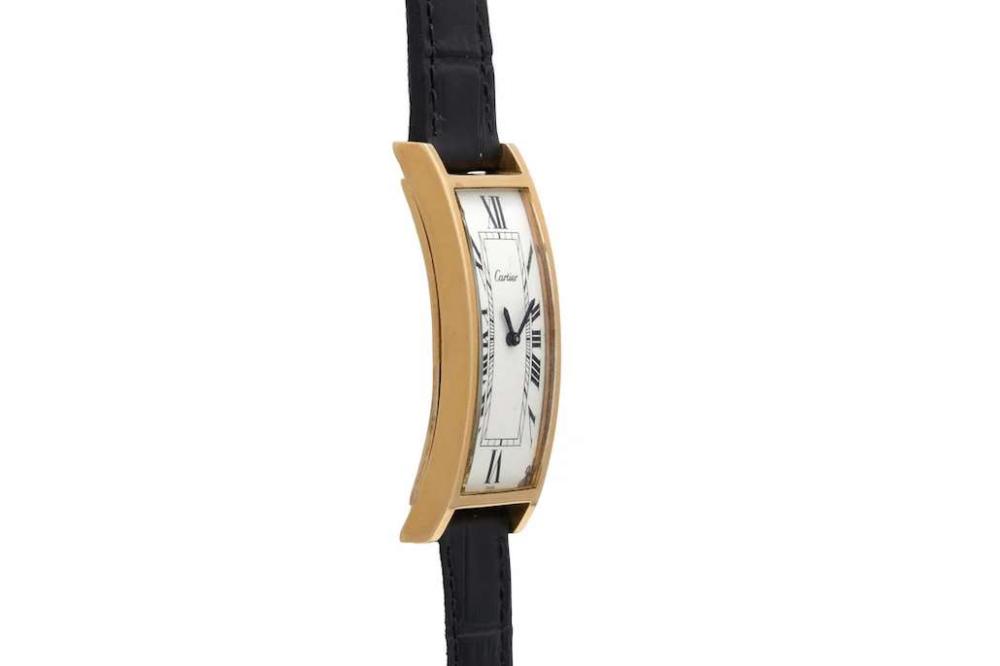
Cartier Tank Allongee From 1960s
The Experimental Era (1930s–1970s)
Between the 1930s and the 1970s, Cartier adopted a venturesome attitude to design and changed the Tank watch by redefining its form and function. This period was characterized by a development from conventional refinement to a quest for creativity.
Tank Étanche (1931)
Cartier released the Tank Étanche in the year 1931, an answer to the request for a waterproof watch made by the Pasha of Marrakesh. With a screw-lock case back and an individual crown, Tank Étanche became Cartier’s pioneer of water-resistant timepieces.
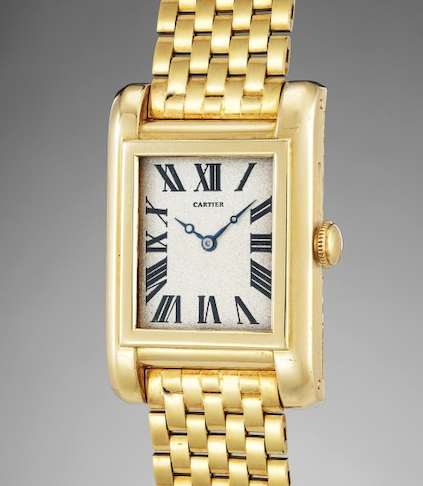
Tank Etanche (1931)
Tank à Guichets (1928)
The Cartier Tank à Guichets, a revolutionary watch with a digital display instead of traditional hands, was presented in 1928. Two small windows were indicating the time: one with jumping hours and another with dragging minutes, these elements giving a minimalist futuristic appearance.
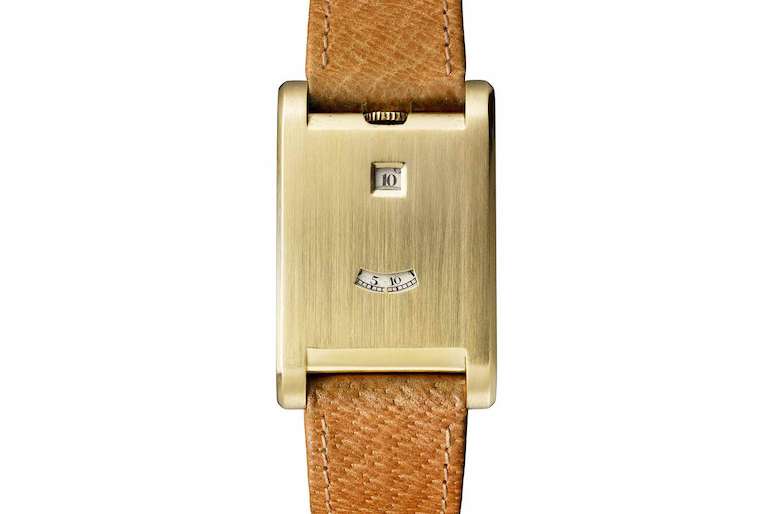
Tank A Guichets (1928)
Tank Basculante (1932)
Introduced in 1932, the Tank Basculante featured a unique reversible case mechanism. The watch's face could flip over within its frame, protecting the dial and allowing the case back to be displayed—a design both functional and elegant.
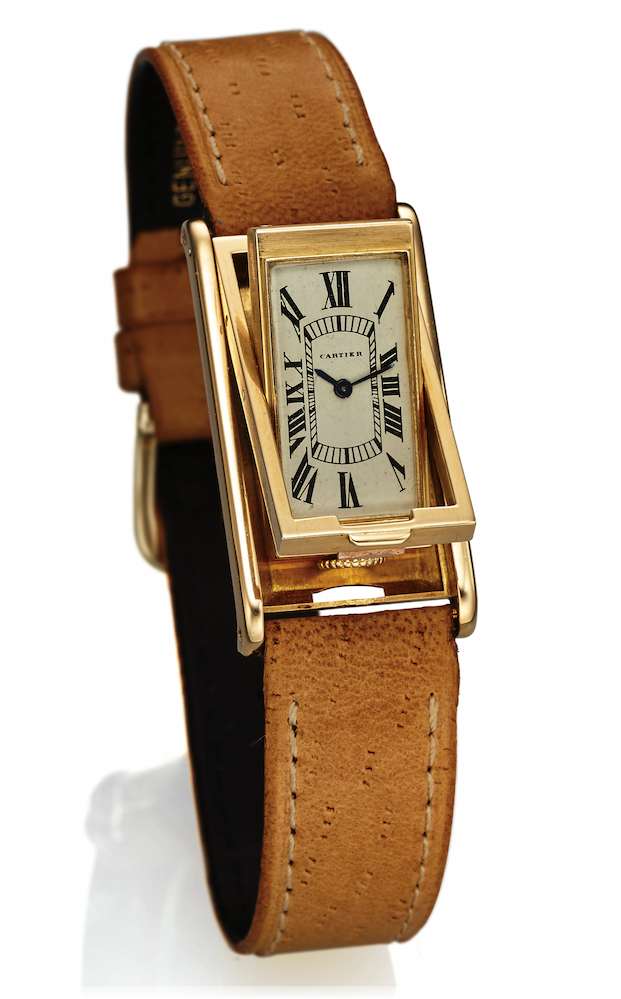
Cartier Tank Basculante from 1935
Tank Asymétrique (1936)
The 1936 Tank Asymétrique broke conventional design norms with its skewed rectangular case and dial rotated 30 degrees. This orientation enhanced readability, especially while driving, and showcased Cartier's avant-garde approach to watchmaking. 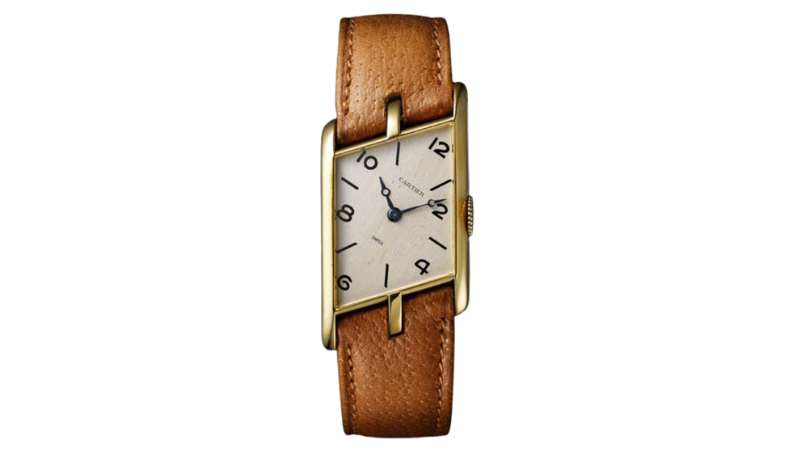
Cartier Tank Asymetrique from 1936
Tank Obus (1920s)
Drawing inspiration from artillery shells, the Tank Obus, introduced in the 1920s, featured a barrel-shaped case. Its bold and masculine design captured the spirit of the Art Deco era, appealing to those with a taste for the unconventional.
These innovative models from Cartier's experimental era not only expanded the Tank collection but also solidified the brand's reputation for blending artistry with horological advancement. 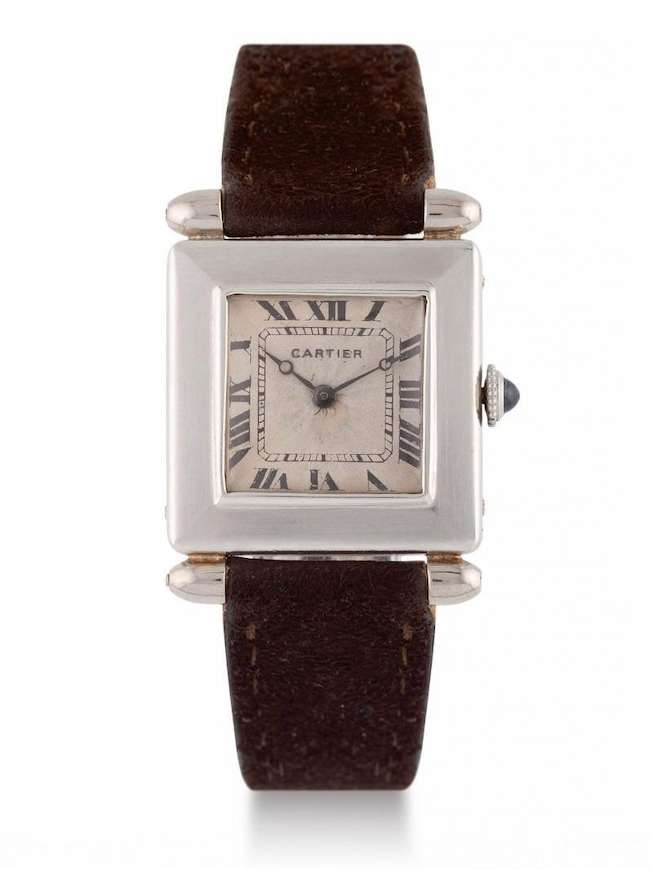
Cartier Tank Obus 1920
Democratization & Popular Culture (1970s–1990s)
The 1970s marked a turning point. When the whole watch world became unsettled by quartz technology, Cartier chose to reinvent itself, instead of retreating. Already in 1977, Cartier came up with the Must de Cartier range.
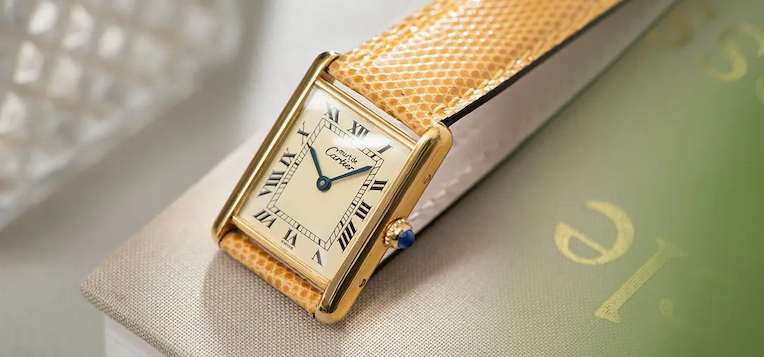
A Cartier Must de Range
This was the reaction of Cartier to the changing era: glamorous, elegant Tanks equipped with quartz movements, and plated with gold-plated silver (vermeil). For the first time, owning a Cartier wasn’t just reserved for the elite, but it was luxury made more reachable. Range provided a rich choice of dial colours, sleek shape, and prices, maintaining the Tank’s reputation.
This era was the point when the Tank became more than a utility but a symbol of class.
Jackie Kennedy, elegant and poised, wore her Tank nearly daily.
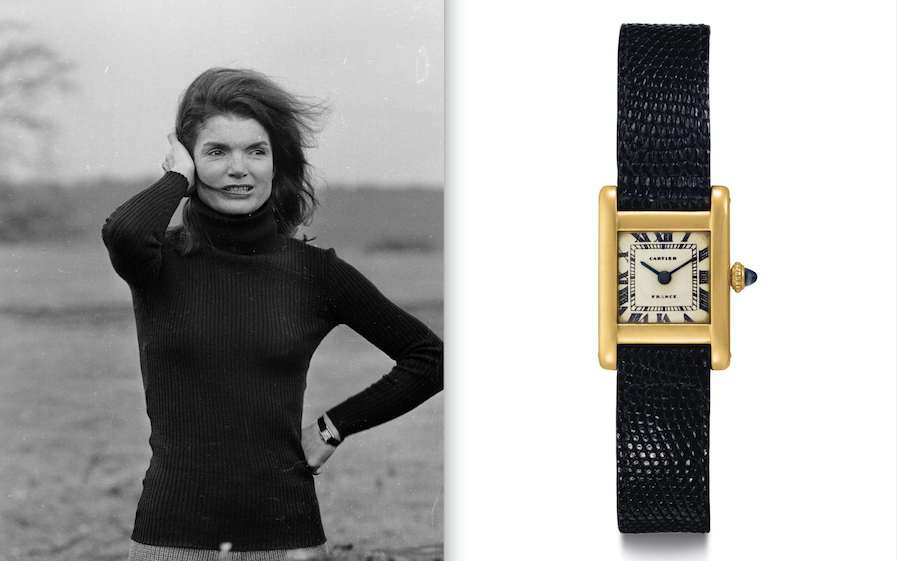
Source: Jacqueline Kennedy Onassis with her iconic Cartier Tank timepiece.
Andy Warhol flaunted his as a fashion accessory, admitting he didn’t even bother to set the time.
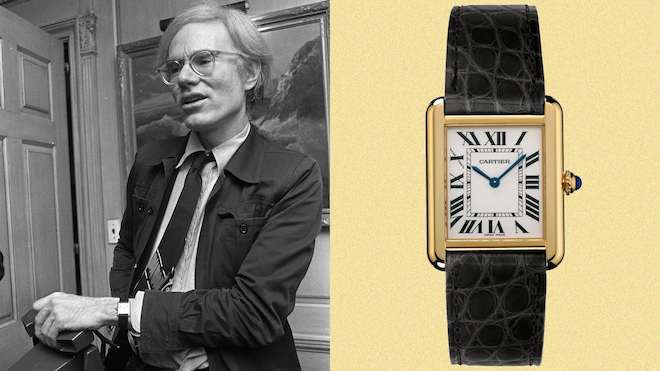
Diana, Princess of Wales, made the Tank a part of her style in the 1990s.

To check out more about the Cartier Tank’s legendary standing with celebrities, head over to this blog.
Over these years, not only did the Tank survive the shifting industry, it thrived, making waves on Upper East Side elegance and pop culture covers.
Modern Revivals and Technological Innovation
From the late 1980s onward, Cartier embarked on a journey of innovation, reimagining the Tank collection to meet contemporary tastes while honoring its storied heritage.
Tank Américaine (1989)
Introduced in 1989, the Tank Américaine drew inspiration from the earlier Tank Cintrée, featuring an elongated, curved case that offered a more substantial presence on the wrist. Notably, it was Cartier's first Tank model to incorporate a curved, water-resistant case, blending elegance with practicality. 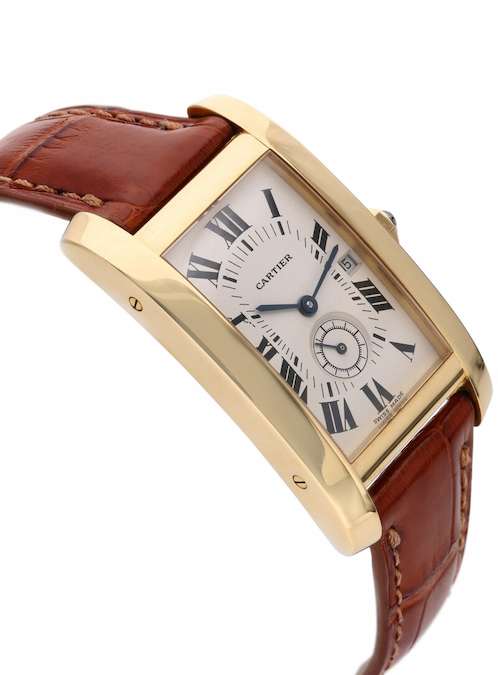
(Cartier Tank Americian)
Tank Française (1996)
In 1996, Cartier unveiled the Tank Française, marking a significant evolution in the Tank lineage. This model introduced an integrated metal bracelet that seamlessly flowed into the case, offering a sportier and more contemporary aesthetic. Its angular design and robust construction appealed to a new generation of watch enthusiasts. 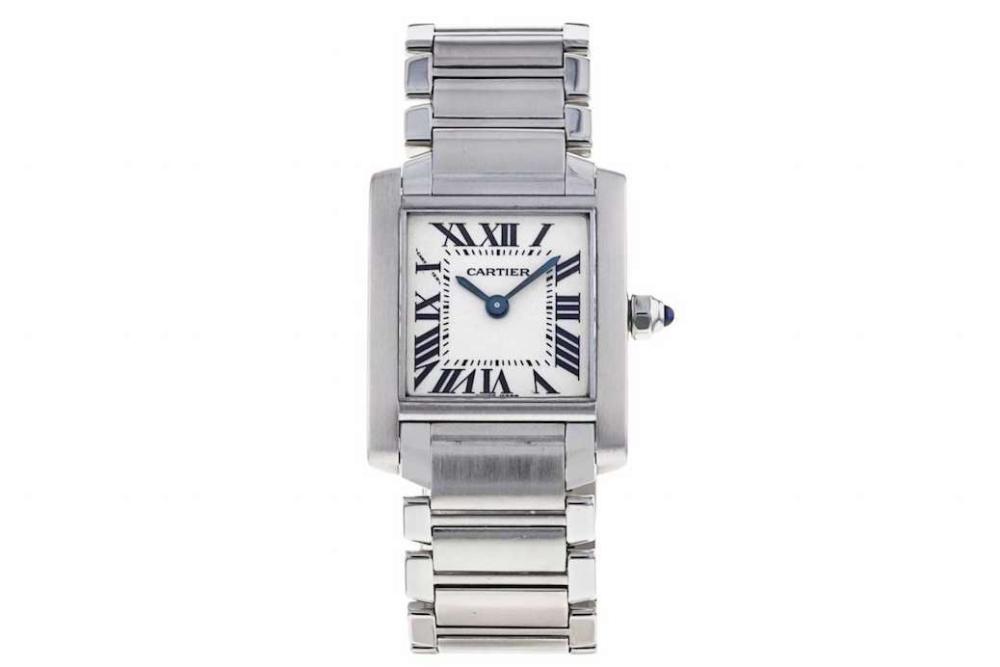
(Cartier Tank Francaise)
Tank Anglaise and Tank MC
The Tank Anglaise, launched in 2012, further modernized the collection with a bulkier case and a unique design where the winding crown was set into the right brancard, maintaining the Tank's signature rectangular shape while introducing a fresh silhouette. In 2013, Cartier introduced the Tank MC ("Manufacture Cartier"), featuring the in-house caliber 1904-PS MC movement. This model catered to those seeking a larger, more masculine timepiece without sacrificing the elegance associated with the Tank series. 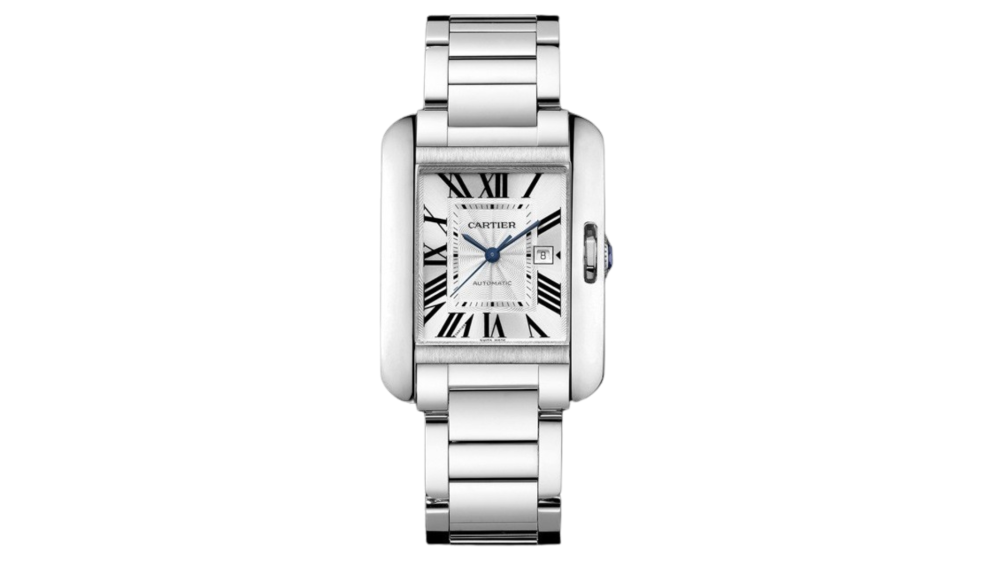
(Cartier Tank Anglaise)
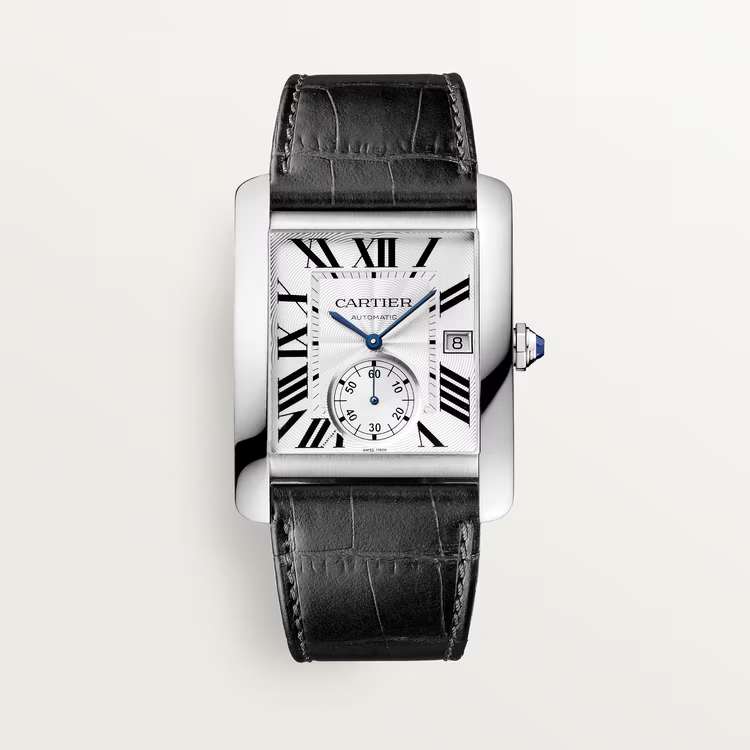
(Cartier Tank MC Caliber 1904- PS)
Cartier Privé Collection
Cartier's commitment to its heritage is exemplified by the Cartier Privé Collection, a series of limited-edition reissues celebrating the brand's most iconic designs. This collection has revisited classics such as the Tank Normale, Tank Cintrée, Tank Asymétrique, and Tank Chinoise, offering modern interpretations that stay true to the original aesthetics while incorporating contemporary watchmaking advancements.
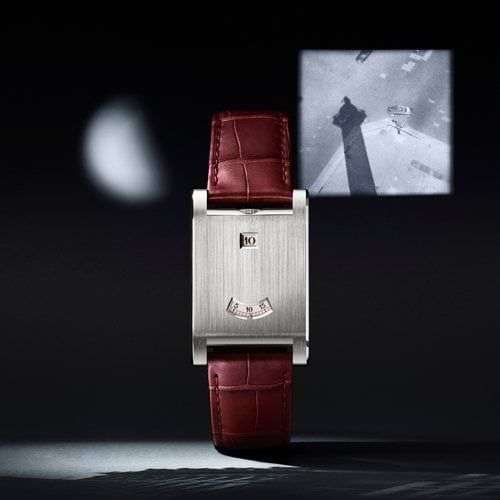
Cartier Privé Tank à Guichets
The latest additions were unveiled at Watches and Wonders 2025, reaffirming Cartier's ability to blend legacy with modern craftsmanship. These revivals and innovations continue to evolve the Tank collection, ensuring its relevance and appeal across generations.
Explore the Cartier Tank at Jewels By Love (an Authorized Luxury Watch Retailer)
Founded on a legacy dating back to the 1800s, Jewels By Love is a sixth-generation family business built on trust, expertise, and an uncompromising eye for craftsmanship.
Our reputation earned us official agent status with some of the world’s most revered watchmakers — including Cartier, Patek Philippe, Breguet, and NOMOS— a privilege granted to only a few jewellers globally.
Located in St. Maarten, our boutique offers a refined selection of Cartier Tank models, from heritage classics to modern innovations. Whether you’re adding to a collection or making your first investment, we’re here to help you find the one.
To learn more or speak with someone from our team, feel free to contact us.