


Automatic watches have been around since the 18th century, evolving in precision and style over time.
These timepieces are cherished not just for their intricate mechanics, which harness the motion of your wrist to keep ticking, but also for their timeless elegance and rich history.
If you’re a seasoned watch collector or looking to invest in an automatic watch to elevate your looks, understanding how these self-winding marvels work will deepen your appreciation for their beauty and craftsmanship.
In this blog, you will discover the fascinating mechanics behind automatic watches and why they remain a symbol of sophistication and ingenuity.
History of Automatic Watches
The history of automatic watches is a captivating journey through innovation and ingenuity. It all began in the 1770s with Swiss watchmaker Abraham-Louis Perrelet, who invented the first automatic watch using a vertically oscillating weight. His pioneering work, later enhanced by Abraham-Louis Breguet, laid the foundation for the sophisticated timepieces we know today.
The real breakthrough came after World War I when wristwatches became popular. In the 1920s, English watch repairman John Harwood introduced the "bumper" automatic movement, limiting the rotation of the oscillating weight to 180 degrees. This design powered the first mass-produced automatic wristwatch, the Harwood Automatic, launched by Fortis in 1926.
The mid-20th century saw significant advancements, particularly by Rolex and Eterna Watch. Rolex revolutionized the market with a 360-degree unidirectional rotor in their Oyster Perpetual line that significantly increased the power reserve. Across the Atlantic, Seiko introduced the high-beat automatic caliber 61GS in 1968, which marked a milestone in horological precision and innovation.
Today, automatic watches remain a symbol of mechanical mastery and timeless elegance, celebrated by brands and collectors worldwide.
Understand Automatic Watch Movement
In this section, you will understand the fundamental principles of automatic watch movements, the various components involved, like the winding rotor and caliber, and examples from prestigious brands.
What are Automatic Watches?
Automatic watches, affectionately known as self-winding watches, cleverly use the energy from the wearer's natural wrist motions to keep themselves powered.
As you move, a small rotor inside the watch spins and winds a spring, which supplies energy to keep the watch running. This means you don't need batteries or manual winding.
Simply wearing your automatic watch keeps it ticking. It's a clever blend of craftsmanship and convenience, which makes these timepieces popular due to their seamless, self-sustaining operation. No need for batteries or manual winding, just effortless elegance on your wrist.
So, now that you know what automatic watches are and how they work, let's talk about the key components that make them tick without manual settings.
The Role of the Self-Winding Rotor

What Is a Winding Rotor, and how does it work? A winding rotor is a semi-circular, weighted component that moves in response to the motions of the wearer’s wrist. As it rotates, it winds the mainspring of the watch, which stores this energy as mechanical power. This power is what drives the watch's functions over time, eliminating the need for manual winding or batteries.
Understand Different Materials and Designs
The choice of material for the rotor impacts its efficiency and durability. High-density materials like gold or platinum are often used because their weight helps to generate more kinetic energy from less movement.
Examples from Renowned Brands:
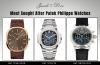
Patek Philippe: Patek Philippe makes their watch rotors from 21K or 22K gold because they are heavy and help the watch run better. They have been creating self-winding watches since 1953 and have designed many advanced mechanisms that are loved by watch enthusiasts. Explore more about Patek Philippe rotors to discover their unique features.
Cartier: Cartier's watch movements emphasize precision and elegance. Their rotors are often crafted from premium materials to enhance performance and durability. Cartier combines innovative design with traditional craftsmanship to produce movements that are both reliable and luxurious. See more about Cartier watches and their mechanisms.
Other Components of Automatic Watches
Apart from the rotor, several vital components play a crucial role in the functioning of an automatic watch:
Mainspring: This is the power source of the watch. It stores energy when wound tightly and gradually releases it to drive the watch’s movements. The more tightly the mainspring is wound, the more power it holds, ensuring the watch runs longer.
Crown: Located on the side of the watch, the crown serves two primary purposes. When pulled out and rotated, it sets the watch's hands to the correct time. When pushed in and rotated, it can be used to manually wind the watch, coiling the mainspring.
Gear Train: This series of tiny gears transfers the stored energy from the mainspring to the watch hands, allowing them to move and keep time accurately. The gear train ensures that the energy flows smoothly and precisely.
Balance Wheel & Escapement: These components work together to regulate the energy released from the mainspring. The balance wheel swings back and forth in a precise rhythm, powered by its own tiny spring called the hairspring. The escapement controls the motion of the gears, ensuring that energy is released in consistent, precise increments. This regulation is what gives the watch its ticking sound.
Jewels: These are tiny synthetic rubies placed at critical points within the watch movement. They act as bearings to reduce friction and wear on the moving parts, ensuring that the watch runs smoothly and lasts longer. Jewels are crucial for maintaining the watch’s accuracy and longevity.
How are mechanical and quartz watches different from automatic watches?
-
Manual Mechanical Watches: These require the wearer to manually wind the mainspring regularly to keep the watch running. They do not have a rotor and rely solely on manual winding.
-
Quartz Watches: These are powered by a battery and use an electronic oscillator regulated by a quartz crystal to keep time. Quartz watches are generally more accurate and require less maintenance than mechanical watches but lack the craftsmanship and traditional appeal of mechanical movements.
-
Automatic watches: These watches combine the elegance of traditional watchmaking with the convenience of self-winding technology. They are a testament to the artistry and engineering skill involved in creating a timepiece that is both functional and beautiful. By understanding the key components and functionality, one can appreciate the intricate design and innovation behind these timeless pieces.
Benefits of Automatic Watches
Automatic watches are appreciated for several unique benefits, combining traditional craftsmanship with practical features.
Here's a deeper look at why they might be the right choice for many watch enthusiasts:
No Battery Dependency: Automatic watches are powered by the motion of the wearer's wrist, eliminating the need for batteries. This not only makes them more environmentally friendly but also frees owners from the worry of battery replacements.
Smooth Movement: One of the hallmark features of automatic watches is the smooth sweeping motion of the second hand. Unlike the ticking movement seen in quartz watches, this provides a visually smoother and more elegant display of time.
Craftsmanship and Tradition: Automatic watches are often seen as a celebration of watchmaking heritage. They are built using intricate mechanical processes that have been refined over centuries. This craftsmanship is not just about keeping time; it represents a tradition of artistry and engineering excellence.
Longevity and Heirloom Quality: With proper care, automatic watches can last a lifetime and are frequently passed down through generations. Their durability and the timelessness of their design make them not just watches but potential family heirlooms.
Buy Automatic Watches From Jewels By Love (An Authorized Luxury Watches Retailer)
In the market flooded with counterfeit branded timepieces, finding a genuine watch is essential.
Jewels By Love is an authorized luxury watch retailer located at St. Maarten. It has a heritage dating back to the 1800s. Authorized by the world's finest watchmakers, including Patek Philippe, Cartier, Nomos, and Breguet. At Jewels By Love, we ensure you receive an authentic, high-quality automatic watch.
So, explore and Feel free to enquire about the automatic watches, and our expert team will help you find the perfect timepiece.

Frequently Asked Questions
1. Do automatic watches need to be manually wound?
While automatic watches wind themselves with wrist movement, they may need manual winding if not worn regularly. Most modern automatic watches can be manually wound by turning the crown.
2. Can you overwind an automatic watch?
No, most automatic watches have a built-in mechanism that prevents overwinding, protecting the mainspring from damage.
3. How should I care for my automatic watch?
Keep your watch clean and dry, avoid extreme temperatures, and have it professionally serviced every three to five years. When not wearing it, store it in a soft cloth pouch or case.
4. Are automatic watches and self winding the same?
Yes, automatic watches and self-winding watches are the same. Both terms refer to watches that wind themselves using the natural motion of the wearer's wrist.