The Many Different Watch Complications and What They Mean
The Many Different Watch Complications and What They Mean
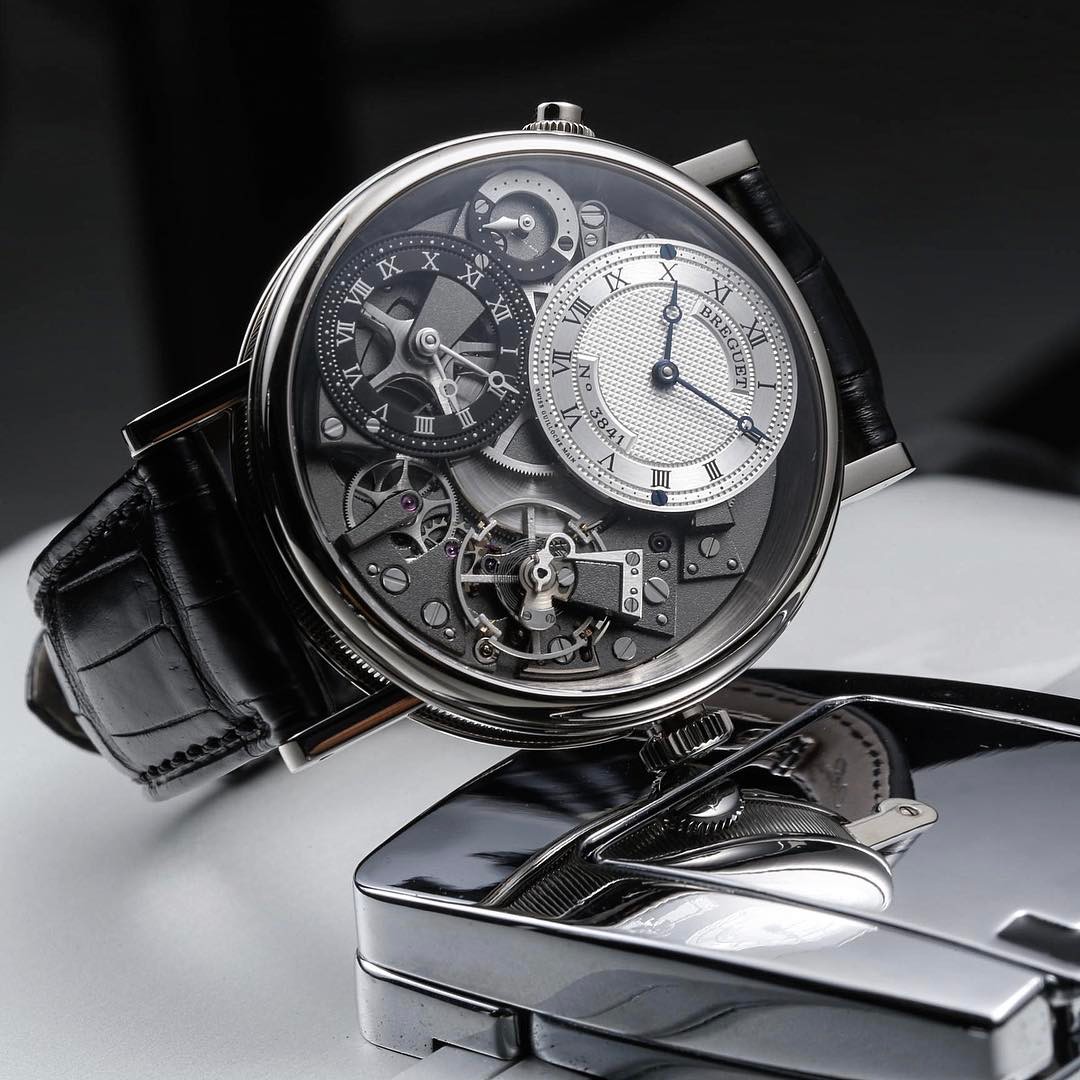
A mechanical watch, apart from just timekeeping and time display, has different functions, like a section showing the day of the month, date of the month, year number, or even the phases of the moon. These functions are called complications of a mechanical watch in horology. Complications have different complexity depending on the function they provide; some can take years to perfect and manufacture. Some mechanical watches have no complications, some have one or more complications, and some have grand complications depending on how a manufacturer designs them. In this blog post, we'll explore the most common types of watch complications and what they mean.
Let’s take a look at some of the common complications available
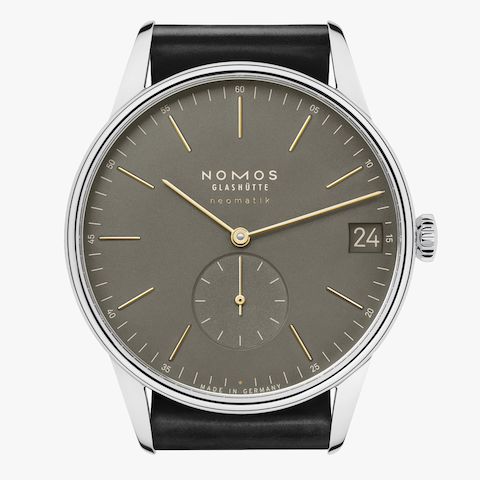
The date display complication patent was registered in 1915. The date complication shows the date of the month. The date window is present most commonly at 3 o’clock, 4 o’clock, 5 o’clock, or 6 o’clock. Earlier the date window was used to display the dates partially according to how the time passes. Now thanks to “jumping date change” the date disc jumps for the exact date and hence does not show the partial date.
Day display
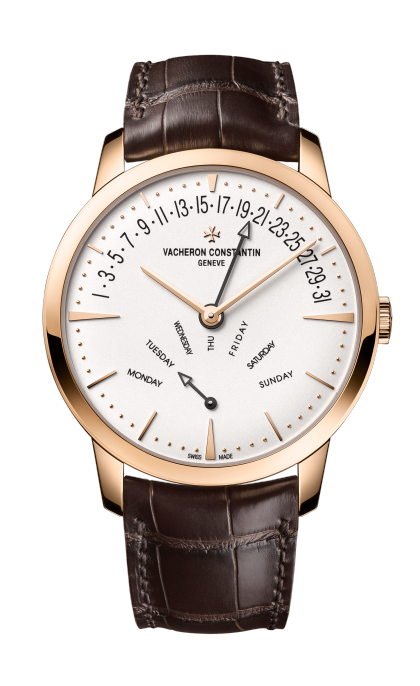
The day display complication displays the day of the week on the wristwatch dial. It usually is paired with the date display complication. This day display complications are commonly positioned at 3 o’clock or 12 o’clock. This complication was patented along with the date display complication in 1915. Nowadays, most watches automatically handles the month with 28 and 30 days, for few manual adjustments are needed
GMT
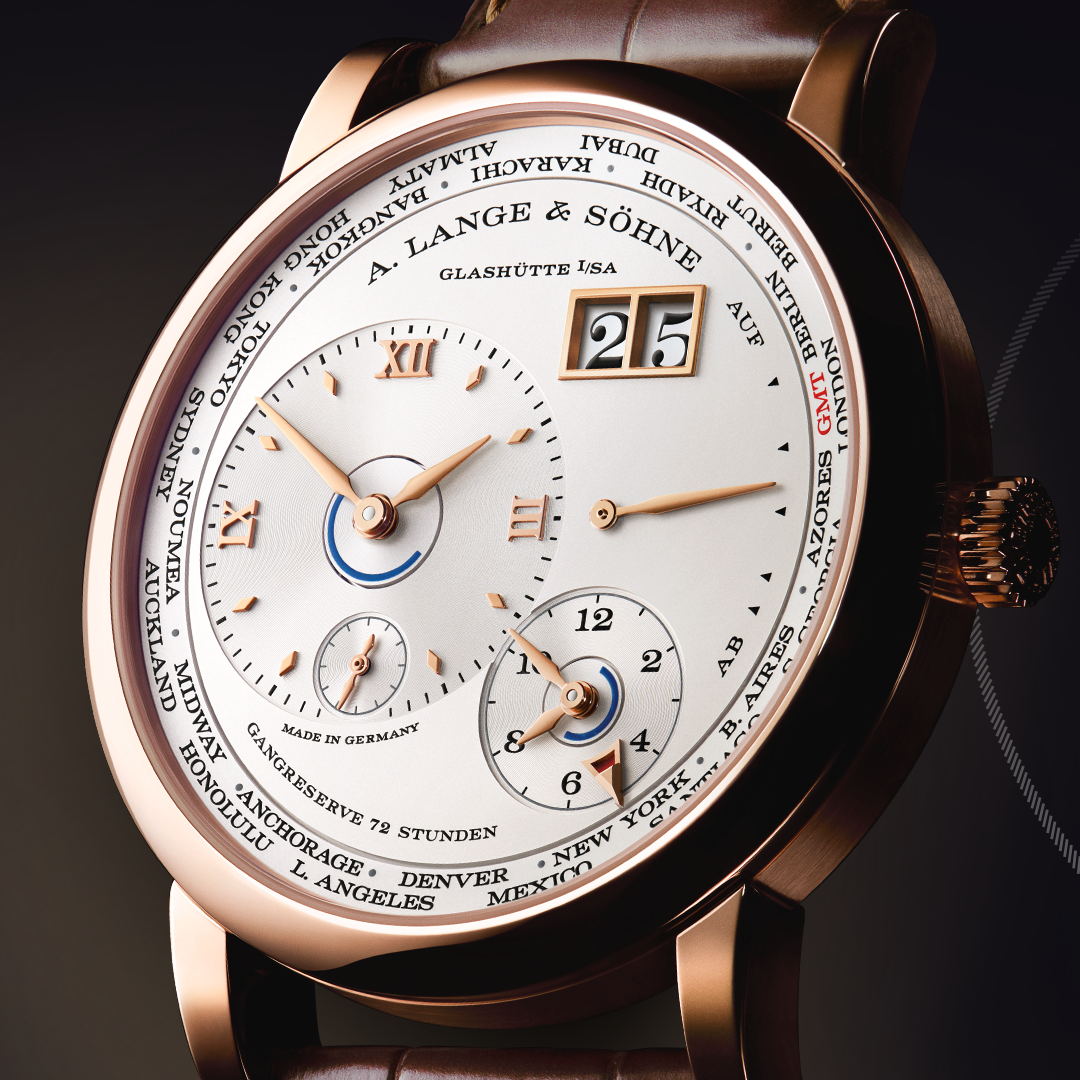
GMT, or Greenwich Mean Time, is a watch complication that allows the wearer to track two time zones simultaneously. This can be useful for travellers, or for anyone who wants to stay connected to friends and family in different time zones.
Annual calendar
This complication is similar to the triple calendar complication that shows day, date, and month. The difference though is that the annual calendar complication follows an annual calendar rather than a complete calendar as in the triple calendar complication. The annual calendar has all the months mechanically programmed to be of 30 or 31 days respectively. Therefore, in the case of February, the month days being 30 days, the owner has to adjust the calendar manually once every year on the 1st of March.
Chronograph
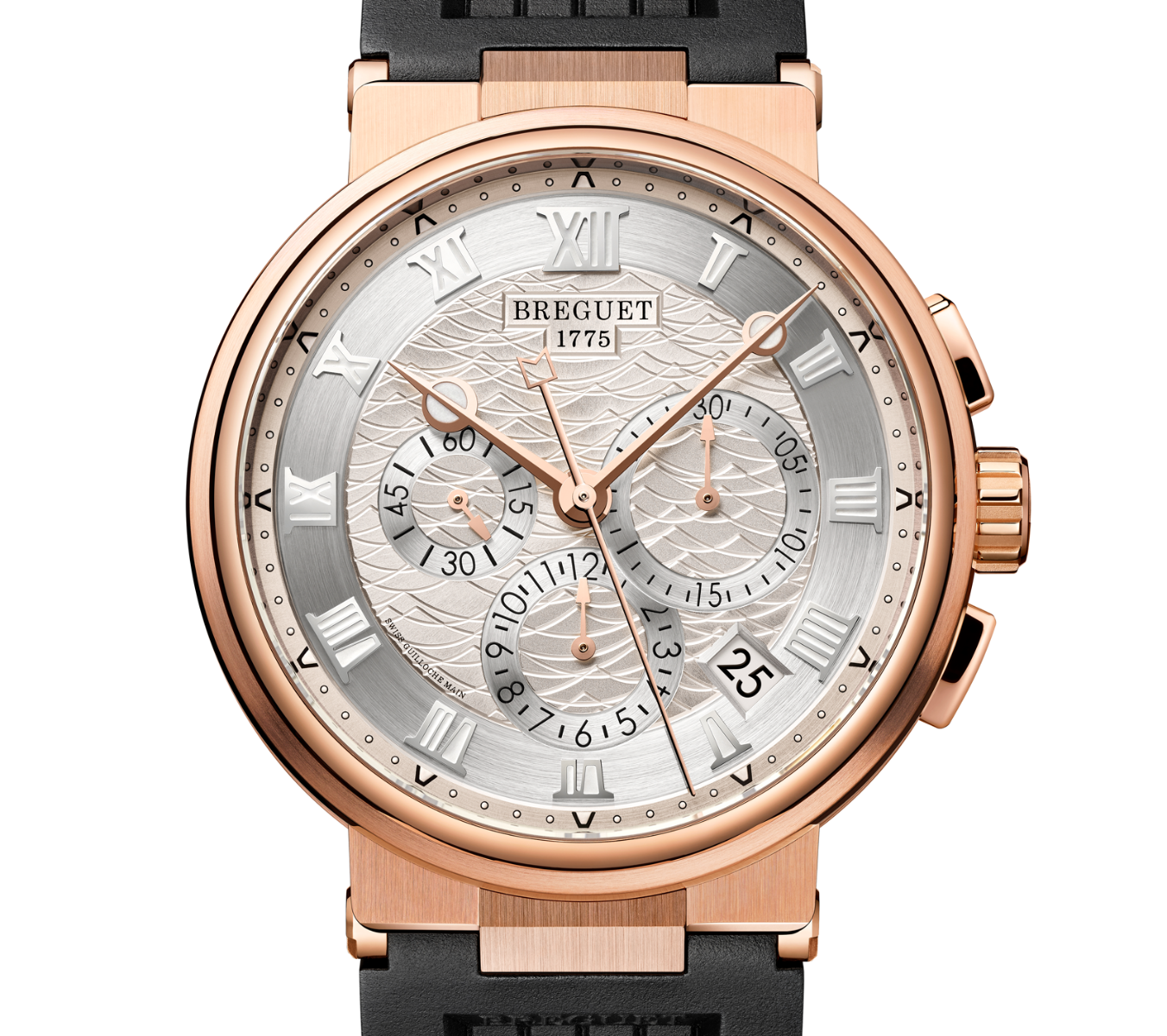
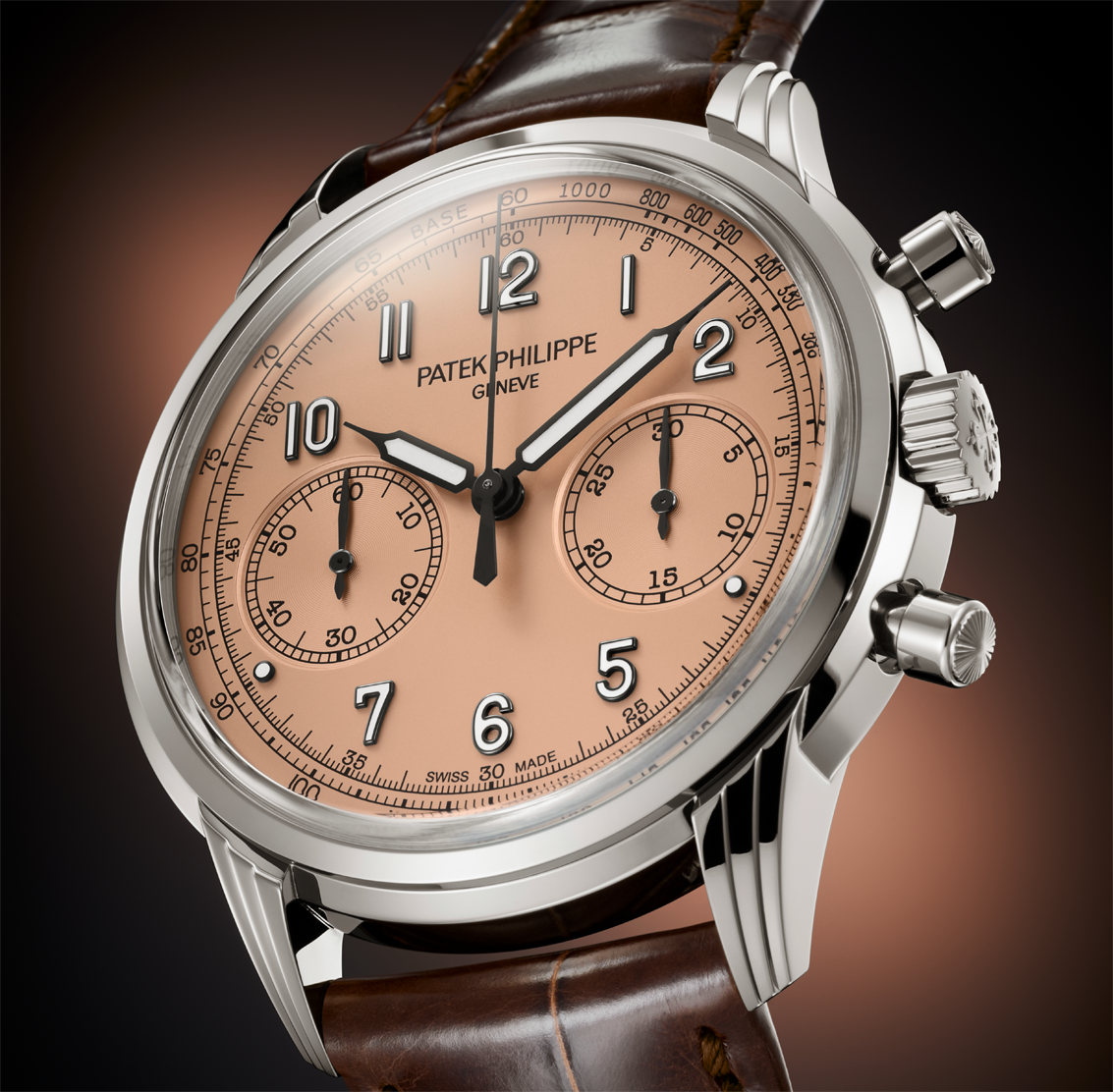
The chronograph was first created by a French watchmaker. Chronographs are a type of watch that are designed to measure time intervals. They are typically used by athletes to track their performance, but can also be used for other purposes such as timing events or experiments. You can identify the chronograph with its additional sub-dials in the main dial. Some chronographs can record up to 30 minutes and some can record up to 12 hours.
Moon phase
The Moon phase is a complication that shows the phases of the moon on a particular day in a 29.5-day cycle of a lunar month. It tells you not only the current phase of the moon but also whether it is waxing or waning. The first ever moon phase was made in the 16th century for grandfather clocks. They were first introduced in a wristwatch in 1925 by Patek Philippe. For most of the moon phase having 59 peripheral teeth, manual adjustments are needed every 3 years.
Conclusion
Apart from these, there are many more complications and grand complications of a mechanical watch. These functions are being made for centuries and their perfections are visible in the newer models of the watches. To sum up, mechanical watches are complicated devices with a long history.