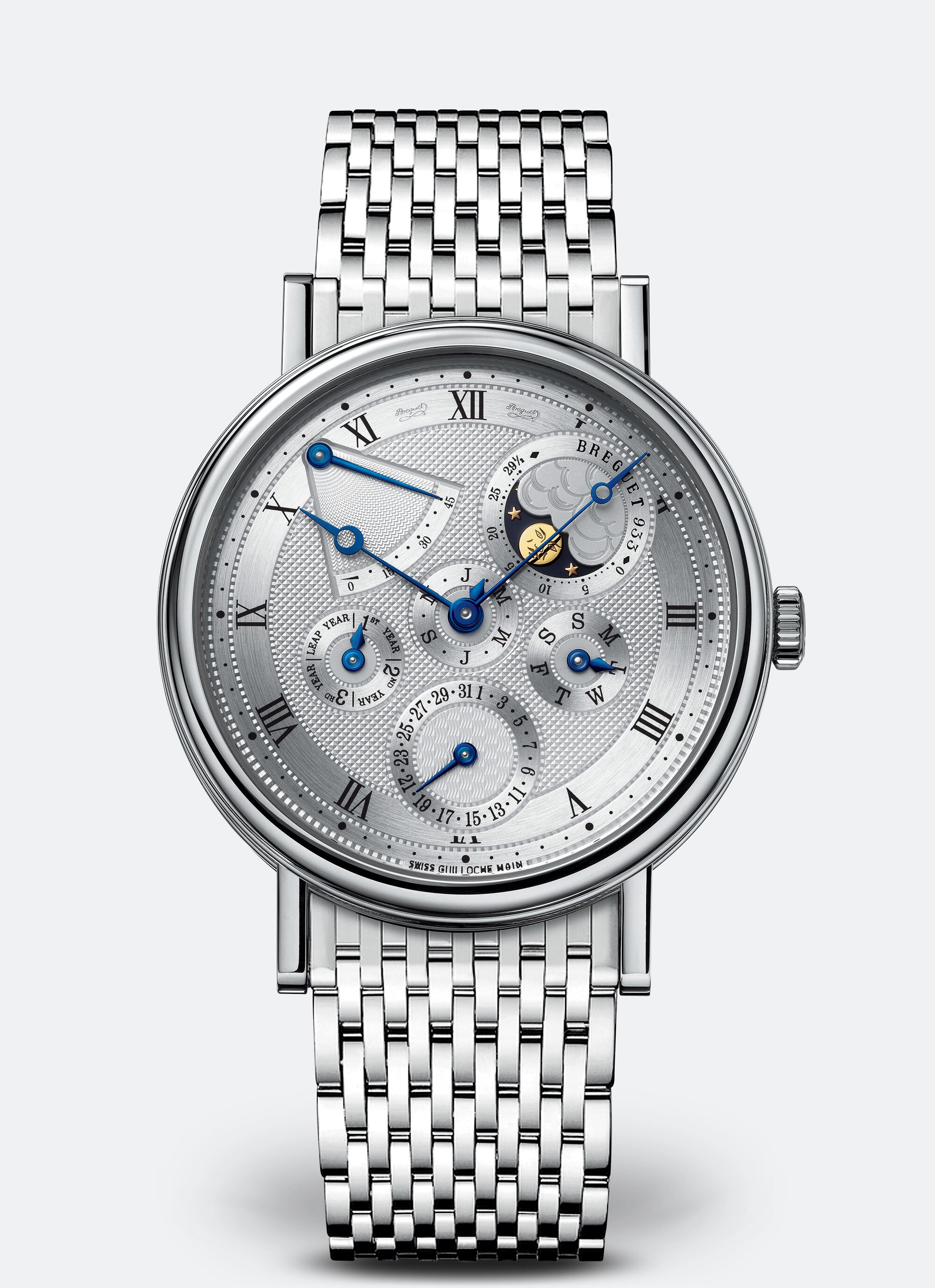
The moonphase complication of a watch is the most beautiful and artistic function on any dial of a timepiece. The ability of timekeeping also gives you the ability to tell the current moonphase. The accuracy in certain moonphase complication watches is such that it doesn’t require manual adjustment for centuries. It makes the dial a canvas for an artist. But before going towards moonphase complication, let's see what a moon phase is.
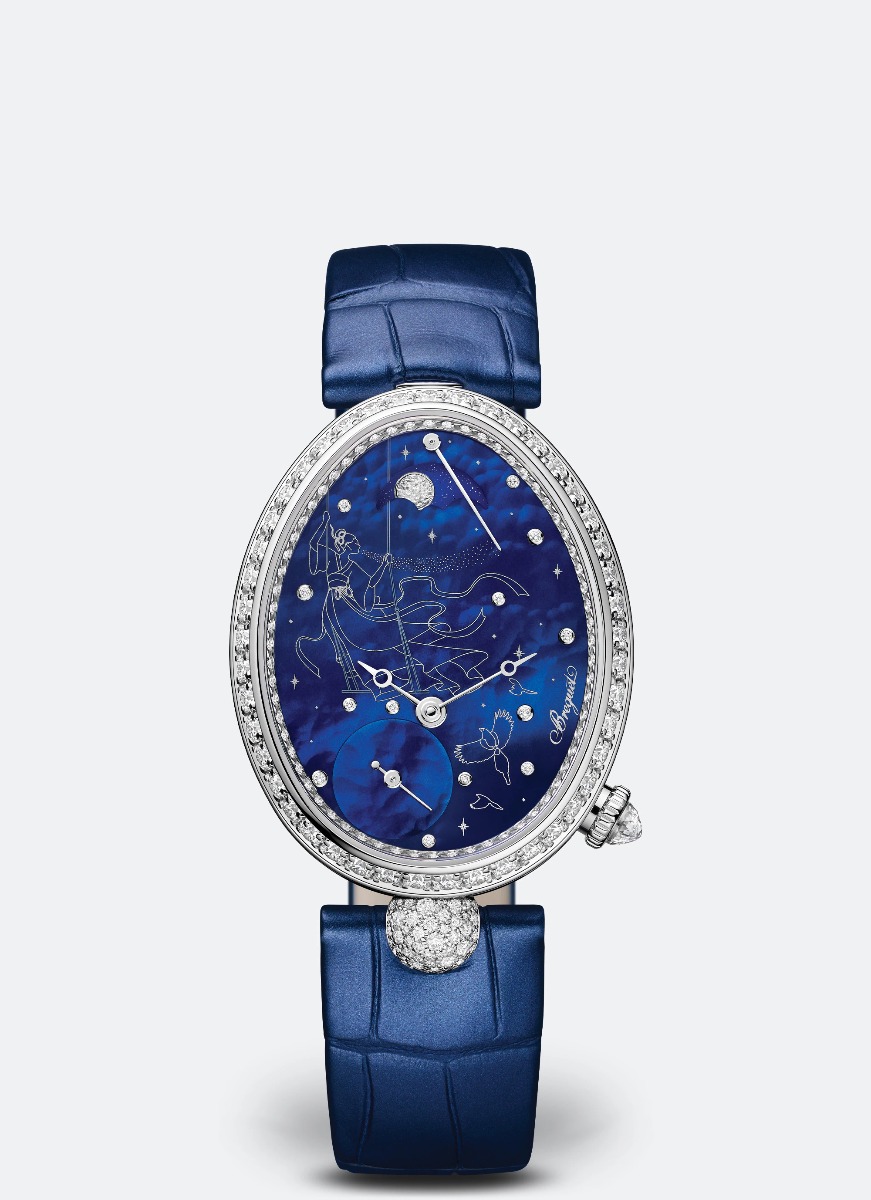
(Reine de Naples wristwatch in 18-carat white gold moonphase complication)
What is a moon phase?
A moon phase is also called a lunar phase. As the moon revolves around the Earth, the sunlit portion of the moon in the sky changes. Each day the phase of the moon is different in its cycle of 29.5 days. Once the lunar cycle is complete, the same cycle phase starts appearing again in the same order as the previous one. This cycle starts from a new moon to a full moon and back again to the new moon. The lunar cycle has four principal phases; the new moon, the first quarter, the full moon, and the last quarter. The moon from a new moon to a full moon is called a waxing moon and the moon from a full moon to a new moon is called a waning moon.
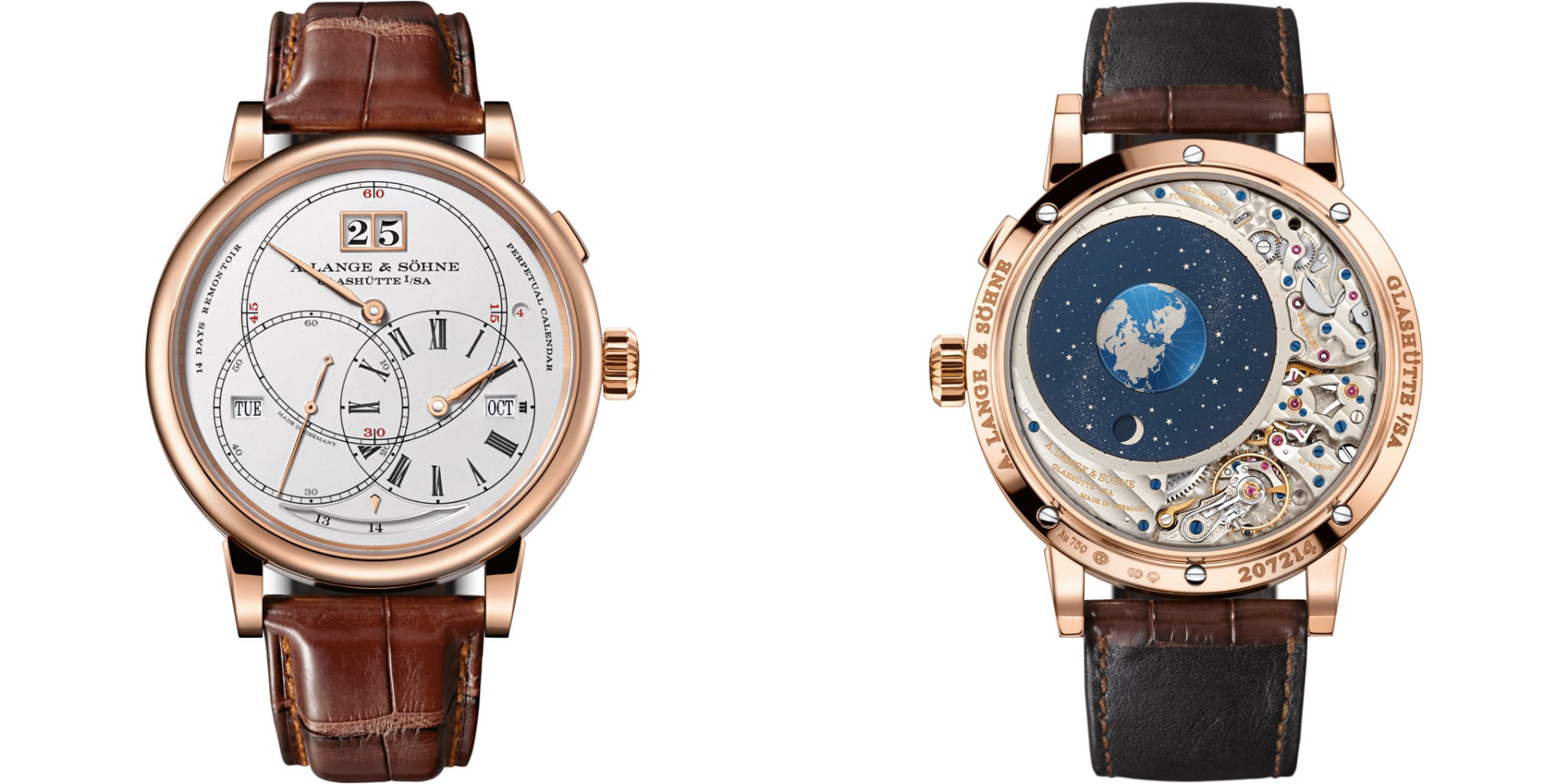
(Terraluna Richard Lange perpetual calendar moonphase at back)
History of Moonphase complication
The moon phases have been a part of timekeeping from the historic period. When the sundials were used to track the day, the moon phases were used to track the month. It was the Greeks who in 205BC developed the Antikythera mechanism which is an astronomical calculator made up of 30 bronze gears. The moonphase timekeeping devices were especially popular in the cathedrals during the Renaissance period, displaying the commonly known planets and the phases of the moon. Nevertheless, as we come into the modern era the moon phase was depicted in modern timekeeping devices and the first time the moonphase complication ever on the wristwatch dial was in 1925 by Patek Philippe with the reference number 97975. With this introduction of moonphase complication to wristwatches, every reputable watch manufacturing company started including this complication in their watches.
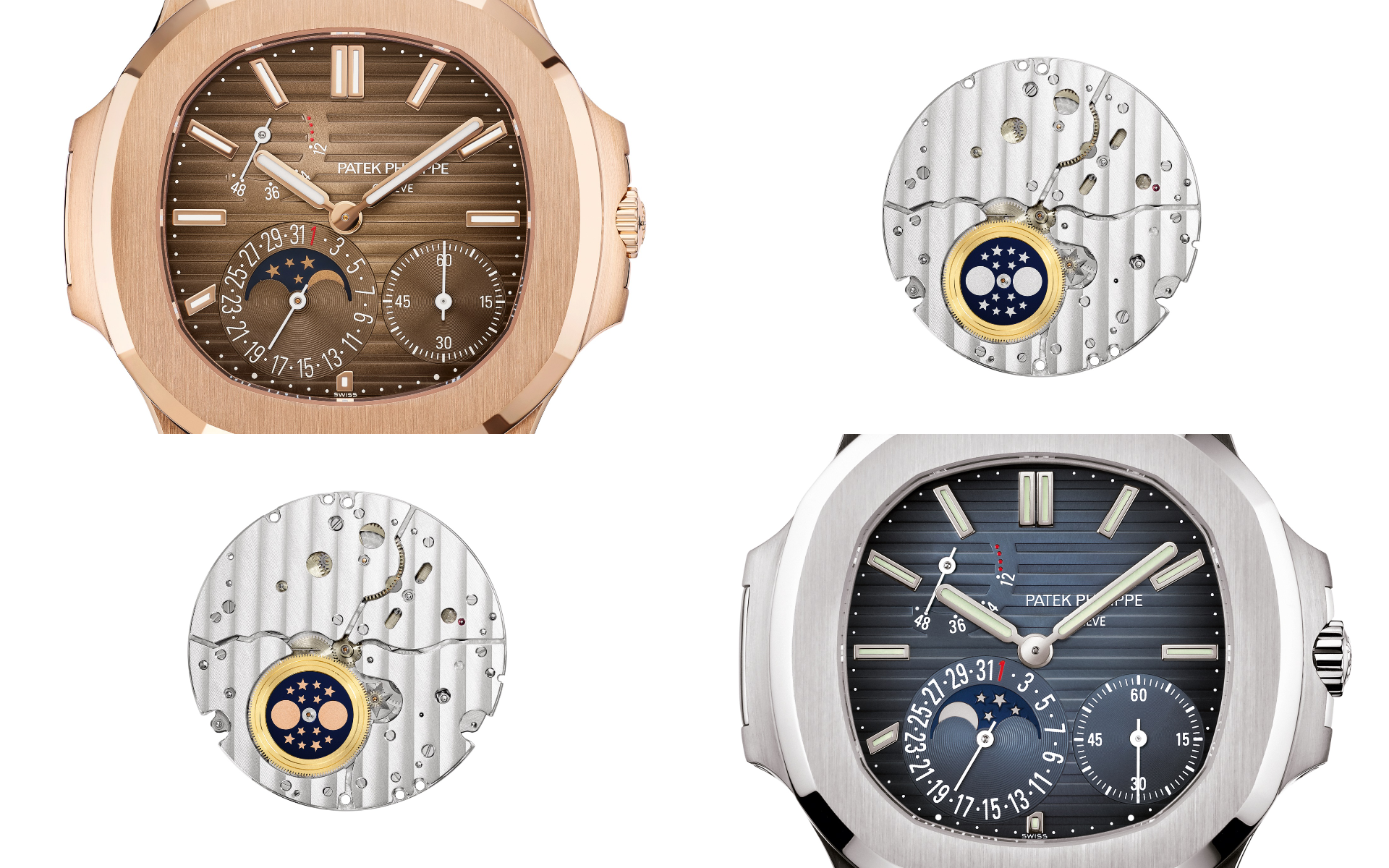
(Patek Philippe Moon phase watches)
How does it work?
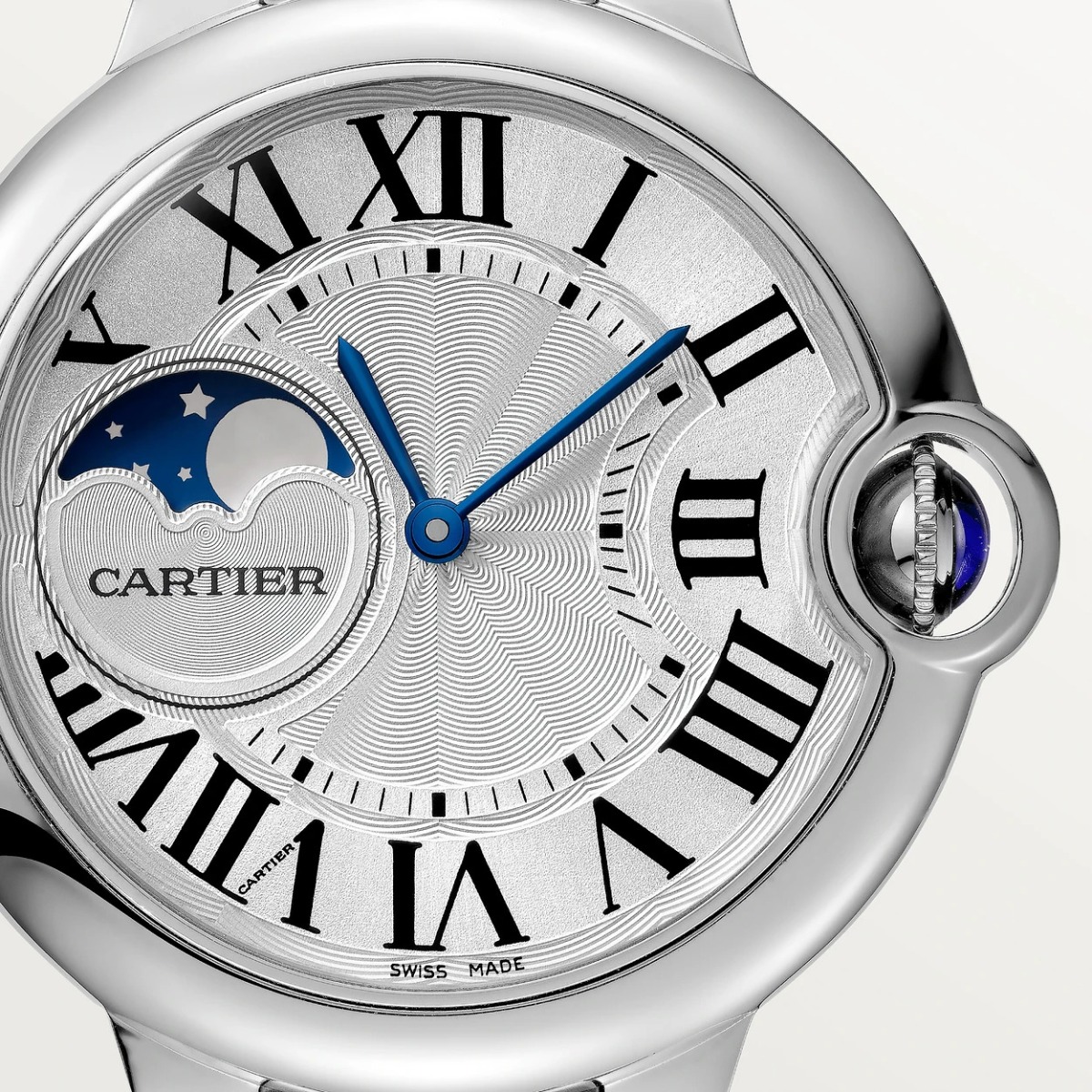
The moonphase complication on a wrist watch looks like a semicircle aperture mostly seen at 6 o’clock on the dial, some manufacturers also place their moon phase at 2 o’clock, 4 o’clock, 12 o’clock, and 3 o’clock on the dial of their wristwatches. On the semicircle aperture, the crescent moons are made, and through the window, you can see the phase of the moon. The disc visible in the crescent window has 2 moons set opposite to each other and the disc itself has 59 teeth to make a complete rotation giving two complete lunar cycles of 29.5 days each. Once the first moon’s cycle is complete, you will see that the moon opposite to it starts its cycle.
(Ballon Bleu de Cartier with Moonphase)
Limitations
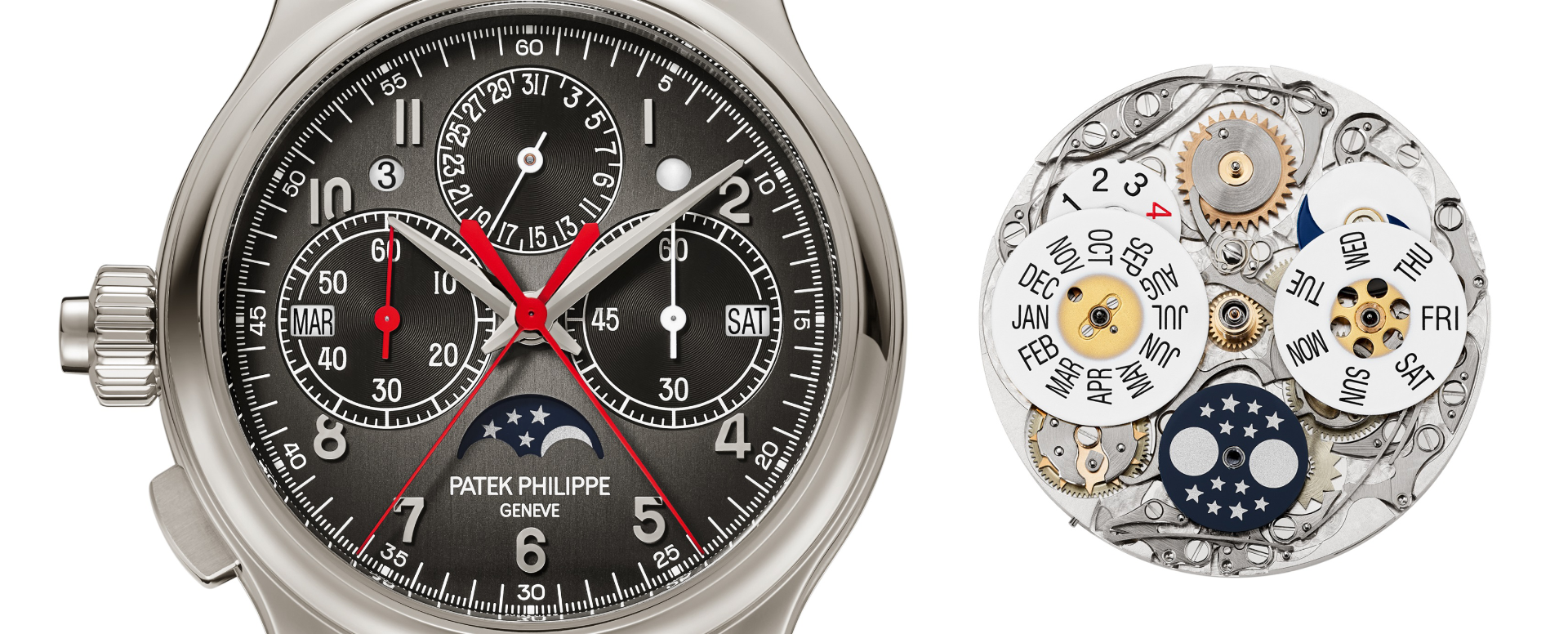
The moonphase complication with 59 teeth disc needs a manual adjustment every 3 years. This is due to the fact that the actual lunar cycle is 29 days, 12 hours, 44 minutes, and 2.8 seconds but in the 59 teeth disc moonphase complication the lunar cycle is approximated to 29.5 days.
(Patek Philippe 5373P Grand Complication with moon phase, right disc under the dial)
This limitation was addressed by making the Moonphase complication disc of 135 teeth which needs manual adjustments after 122 years. Nowadays all the major manufacturers use this Moonphase complication of 135 teeth in their moonphase watch complication. A. Lange & Söhne has made their moonphase complication such that it will take 1058 years before a correction by one day is required.
An always intriguing moonphase complication is a work of art. The beautifully decorated crescent aperture and the guilloché work on the moon phase in some watches are breathtaking. Moon phase even though may not be used in everyone’s daily life, still is the most sought-after complication for watch enthusiasts and watch collectors.