

Let’s get one thing out of the way — if you think Breguet is just another luxury brand flaunting fancy watches for rich wrists, you’re missing the plot. Breguet is about history. Precision. Survival. And yes, a bit of airborne swagger.
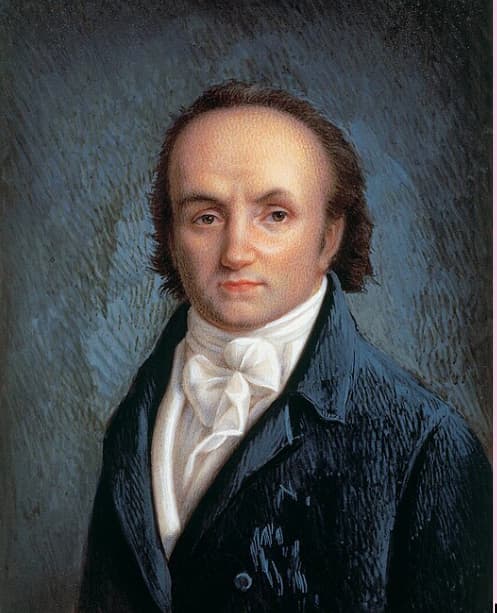
Breguet’s roots stretch back to the late 1700s, when Abraham-Louis Breguet was busy inventing horological stuff no one else even had the vocabulary for. Marine chronometers, tourbillons, you name it. And by the time aviation took off, Breguet was already ahead of the curve and building flight instruments and cockpit timers that actual air forces depended on.
But the real shift happened in the 1950s, when the French Ministry of Defence needed a chronograph that could keep up with its pilots, mid-air. And the Breguet Type 20 was born. Later refined into the Type XX, these watches weren’t made for showing off but for survival—Military-grade, flyback-equipped, brutally functional. And somehow, it still looks cool.
Fast forward to 2023, and Breguet’s brought the Type XX back from the vault, not as a relic, but as a reminder that some things age well when they’re built right the first time. With new in-house movements and just enough nods to its combat-tested past, the reboot isn’t riding nostalgia. It’s earning its place all over again.
So yeah, it's Breguet’s proof that you can innovate without forgetting where you started. Let’s break it down.
Origins: Breguet’s Early Aviation Instruments
Before pilots strapped chronographs to their wrists, Breguet was already building the kind of timekeeping gear that made clocks feel ashamed of themselves. The story started centuries earlier, in a workshop in Paris, where a man named Abraham-Louis Breguet was doing things no one else dared to try.
Breguet engineered the tourbillon in 1801, a device that corrected timekeeping errors caused by gravity. The kind of precision pilots can rely on, and he has already set the bar. Add to that the self-winding mechanism and the Breguet overcoil, and the same hairspring still beats inside many mechanical watches today. To know more about the evolution of breguet tourbillon head over to the blog
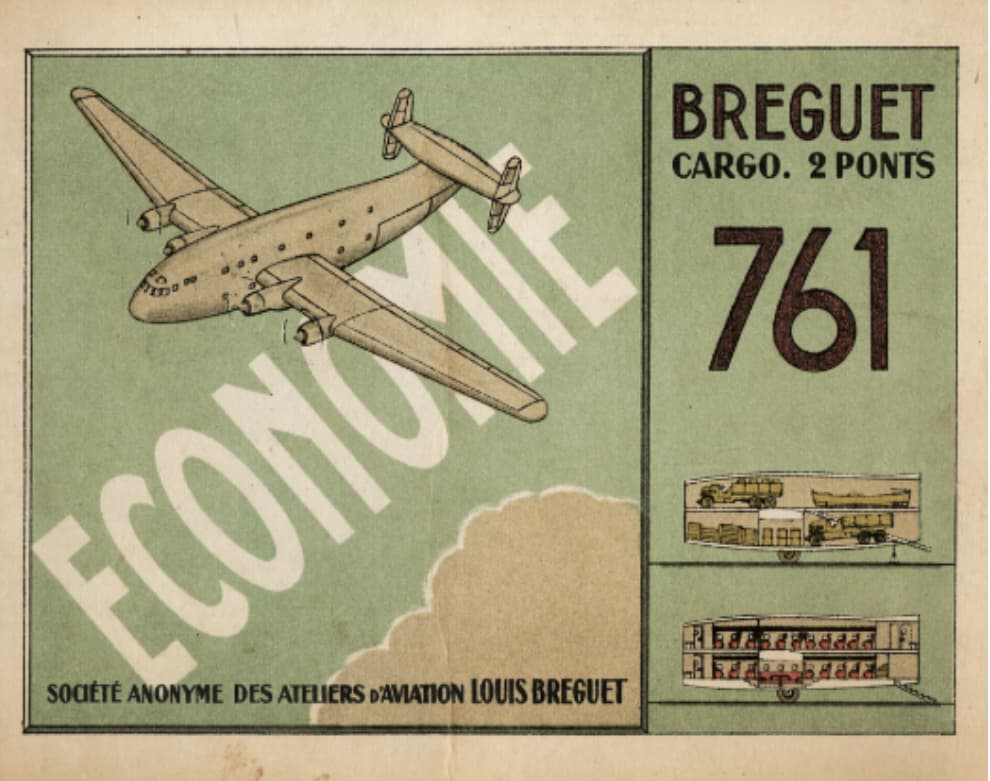
By the early 20th century, Breguet's reputation for reliable instruments caught the attention of an entirely new frontier: aviation. When American and Japanese pilots came through France around 1918, they were buying Breguet chronographs. That trust was well-earned. These weren’t fashion statements, they were critical tools in aircraft. Breguet had onboard chronometers, cockpit timers, split-second chronographs all built to survive turbulence, magnetism, and whatever else the sky could throw at them.
Then came 1949, and things got even more serious. Breguet quietly shifted from building instruments for planes to building watches for the people flying them. That year marked the introduction of their earliest military chronograph wristwatches. Each piece was practically a tactical device. Lemania-powered, dual-pusher chronographs, with dials that didn’t care if it was noon or night because legibility meant survival.
It’s easy to look back now and admire the vintage charm, the brushed steel cases, and the mechanical details. But back then, these watches were tools built for people who couldn’t afford to be wrong by more than a second.
And that’s where it all started.
The Birth of the Type 20 and Type XX (1950s)
The early 1950s were a defining moment not just for Breguet but also for military aviation. By 1952, the French Ministry of Defence decided its pilots needed more than just instincts and altitude. They needed wrist chronographs built for the air: functional, rugged, and utterly reliable. So they issued a no-nonsense spec sheet under the name “Type 20.” This wasn’t a marketing name. It was a military requirement.
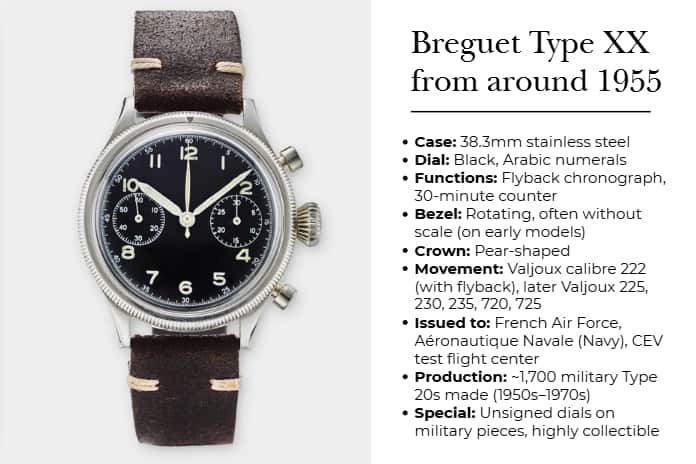
The criteria weren’t up for debate. The watch had to have a flyback chronograph (so pilots could restart timing with a single push), resist magnetism, and stay accurate through pressure and temperature shifts. A power reserve of at least 35 hours. A black dial with Arabic numerals for high-contrast visibility. A bidirectional rotating bezel. Oh and it had to be tough enough to survive an aerial battle.
Breguet stepped up.
By July 1953, the first prototypes, references 1530, 1531, and 1532, were handed over for evaluation. Built with the Valjoux 22 and later Valjoux 222 movements, these watches were engineered with a purpose. The flyback was essential for aerial manoeuvres. The pear-shaped crown and oversized pushers were designed for gloved hands at 30,000 feet.
Now here’s where it gets interesting. The Ministry’s original request was for the Type 20 and that’s the designation used for the military versions. But not long after, Breguet released a near-identical version for civilians. They called this the Type XX. Same DNA, same performance, just available without a military contract.
Between 1954 and 1959, Breguet delivered 1,100 units of the Type 20 to the French Air Force. Then came another 500 units for the Aéronautique Navale, France’s naval aviation branch, starting in 1960. And 80 more went to the CEV Test Flight Center, the experimental wing of the French military.
Each of these watches served real roles. They were issued to pilots, used during missions, and returned at the end of service. No branding on the dials. No commercial polish. Just brutal, reliable function.
And that’s how the legend began not with hype, but with hardware that earned its place in the sky.
Key Features and Movements (1950s–1970s)
The Early Guts: Lemania and Valjoux
Breguet’s earliest aviation wristwatches around 1949 were powered by Lemania chronograph calibres. They were functional and perfect for the small military batches Breguet was producing before the official Type 20 spec dropped.
But after 1952, once the French Ministry of Defence laid out its requirements, the movement strategy shifted. Breguet transitioned to Valjoux 22, a manual chronograph with column wheel control and optional flyback module. Then came the Valjoux 225, with the added 12-hour counter. Later iterations Valjoux 230 and Valjoux 720 introduced shock protection and performance tweaks, making the watches sturdier and more responsive. In 1971, the Valjoux 235 and 725 took over with a higher beat rate of 21,600 vibrations per hour. These weren't just updates but overhauls to match technical ambition with military-grade reliability.
Civilian Type XX: Born in 1955
By the mid-50s, Breguet had its foot in both camps, building for military contracts and the emerging market of aviation lovers, engineers, and pilots without uniforms. Around 1955, the Type XX label became standard for civilian versions. These watches mirrored the military specs but often came with more detailed finishing, a signed dial, and in some cases, the option of additional complications like 12-hour counters. Civilian models also had the brand name on the dial, something the military versions skipped entirely.
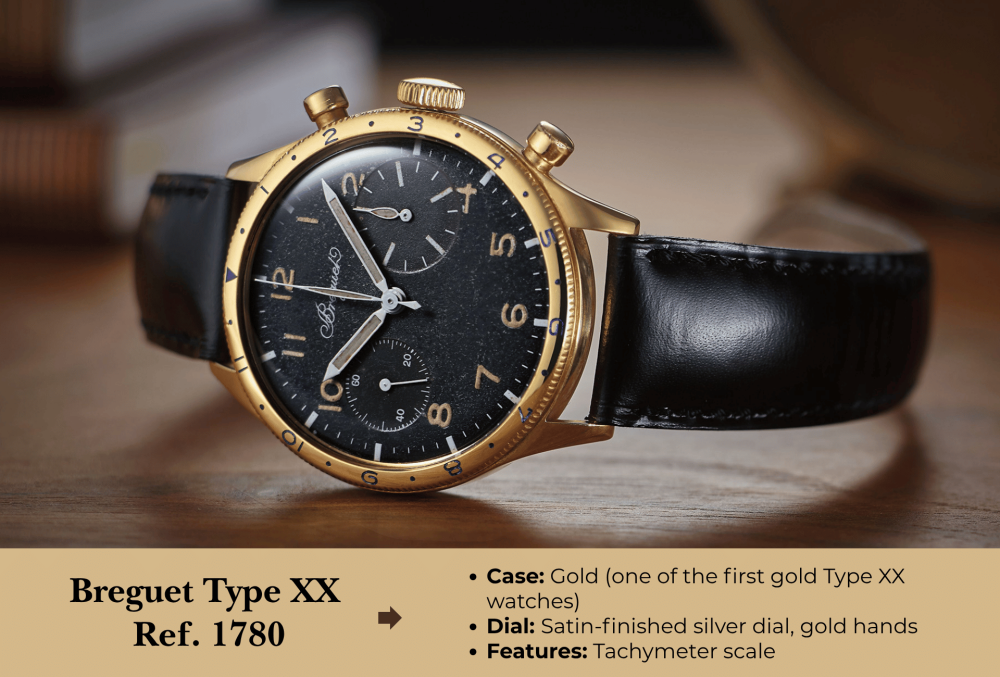
Though the majority of Type XXs were stainless steel, a few rare references showed Breguet wasn't afraid to go bold. The Ref. 1408 from 1952 was one of the first in a gold case, complete with a silver dial and tachymeter scale, a striking contrast to its no-frills military cousins. Then came Ref. 1780 and Ref. 1781, released in 1955 with satin-finished dials, gold hands, and that same Type 20/XX dual-naming quirk. These
Bao Dai’s Personal Type XX
Some watches end up in museums. Others on the wrists of emperors. The last emperor of Vietnam, Bao Dai, owned a civilian Type XX with the production number 519. Part of a rare 27-piece series, it’s become one of the most collectible Type XXs ever made for its story.
Second Generation Type XX (1971–1986)
In 1971, Breguet overhauled the Type XX for a new era. The updated model came with a larger 40.7 mm case, wider square lugs, and a more substantial wrist presence, a distinct shift from the rounded silhouettes of the 1950s.
Movements were updated as well. Breguet used Valjoux 235 (for two-counter versions) and Valjoux 725 (three-counter versions), both featuring Incabloc shock protection and a higher beat rate of 21,600 vibrations per hour. These movements kept the flyback functionality intact while improving overall performance.
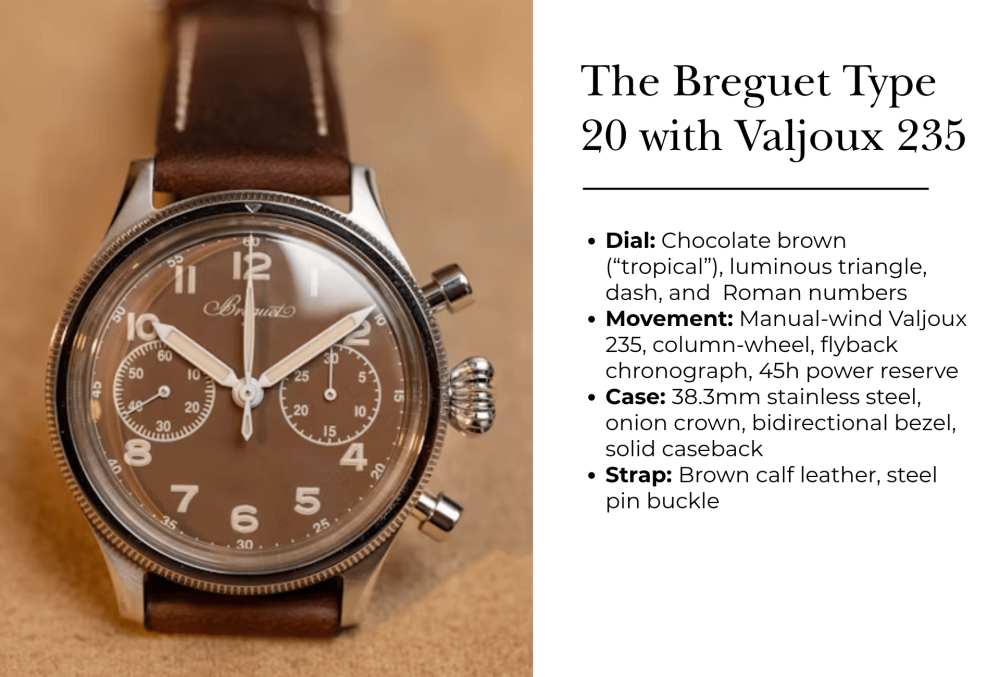
While the second-gen Type XX never had a named reference like later models (e.g. 3800), individual production numbers like No. 21326 have been documented that includes the piece sold to the Royal Moroccan Air Force in October 1975.
On the civilian side, though, things were slowing down. The quartz crisis pushed the market towards cheaper, battery-powered watches. Traditional chronographs struggled to compete. Sales dropped, and by 1986, Breguet sold the final batch of second-gen Type XXs, bringing the chapter to a quiet close.
A bigger case. A stronger build. But the same pilot-driven DNA.
Revival and Third Generation (1995–2010)
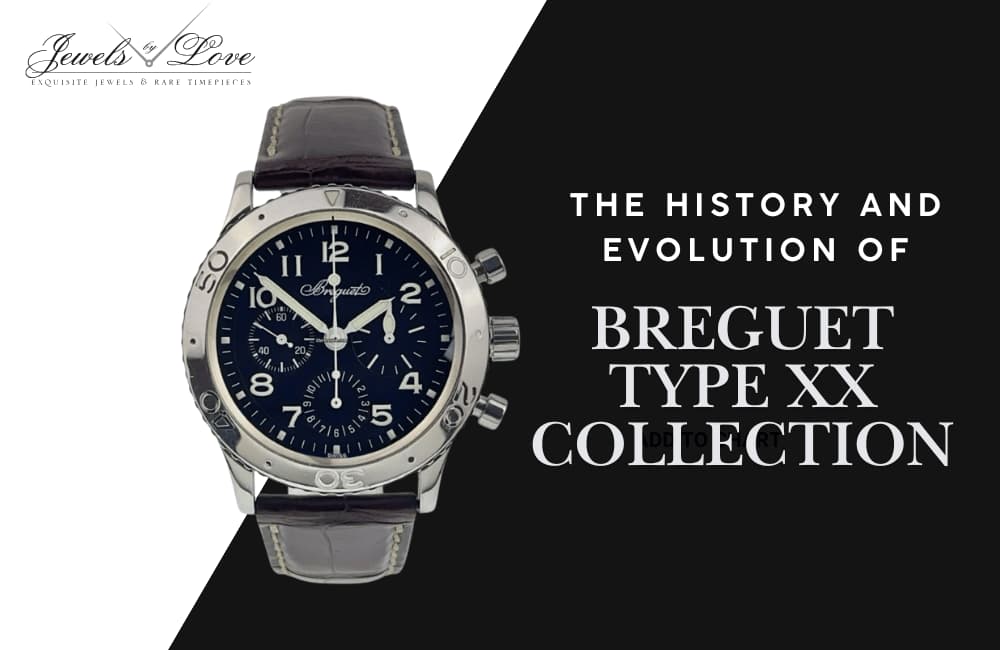
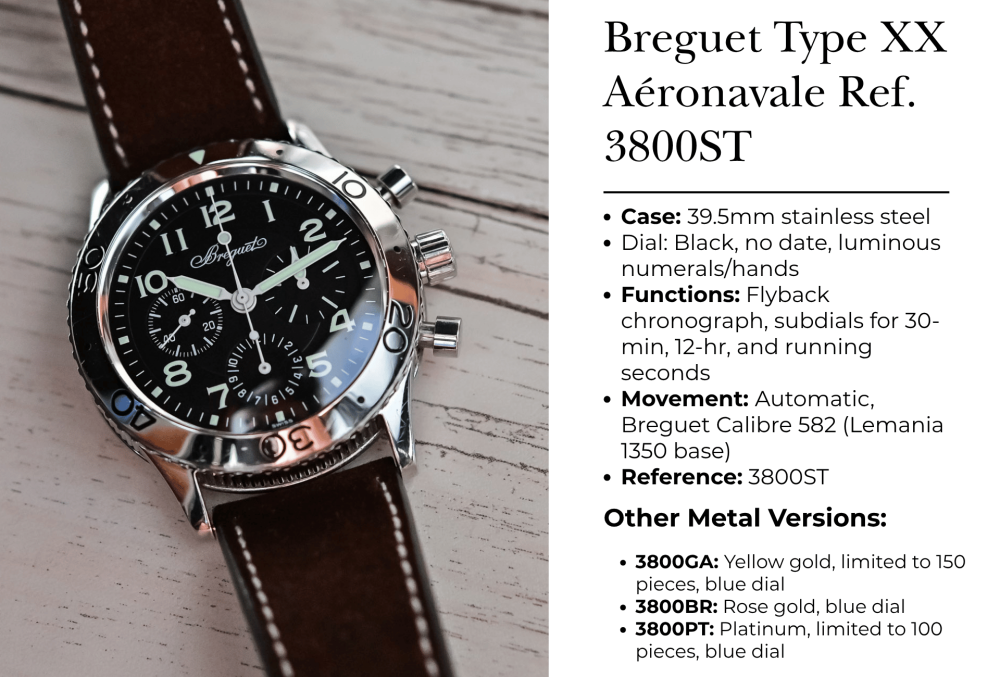
After nearly a decade in hibernation, the Type XX roared back in 1995 with the launch of the Ref. 3800 “Aéronavale.” It kept the classic military-inspired layout, ditched the date complication, and reintroduced the flyback chronograph and this time powered by the Lemania-based Calibre 582, now featuring automatic winding.
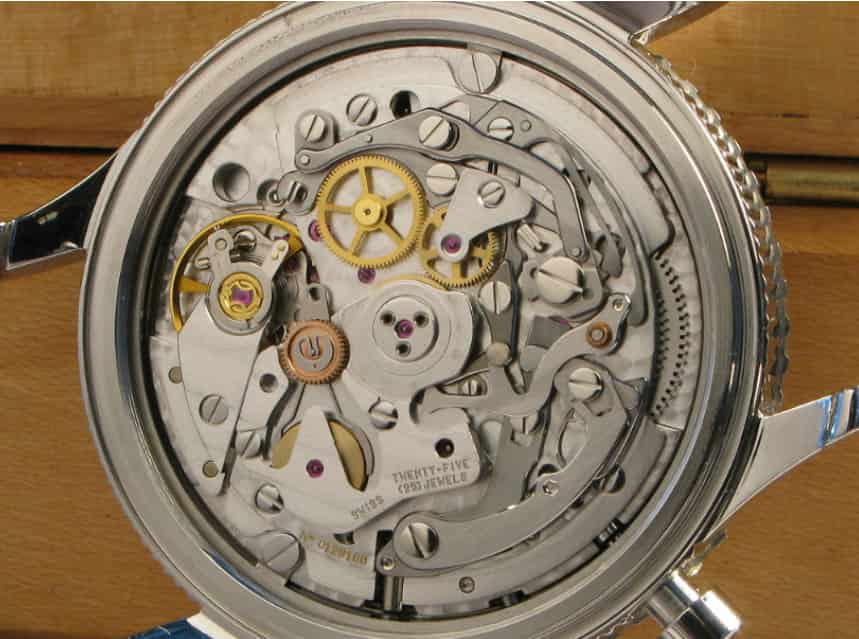
(Breguet Lemania-based Calibre 582)
In 1997, Breguet followed up with the Ref. 3820 “Transatlantique,” adding a date display at 6 o’clock and slightly refining the design for a broader market. Both references retained a 39 mm case and the distinctive fluted caseband, a callback to Breguet’s historical marine chronometers.
This third-gen era also came with upgrades. Breguet rolled out limited editions in gold and platinum, catering to collectors, and even experimented with alarm complications, expanding the Type XX’s technical profile.
This generation laid the groundwork for everything that followed. Military-inspired, but now civilian-approved with substance behind every style cue.
Type XXI and XXII Expansions (2004–2018)
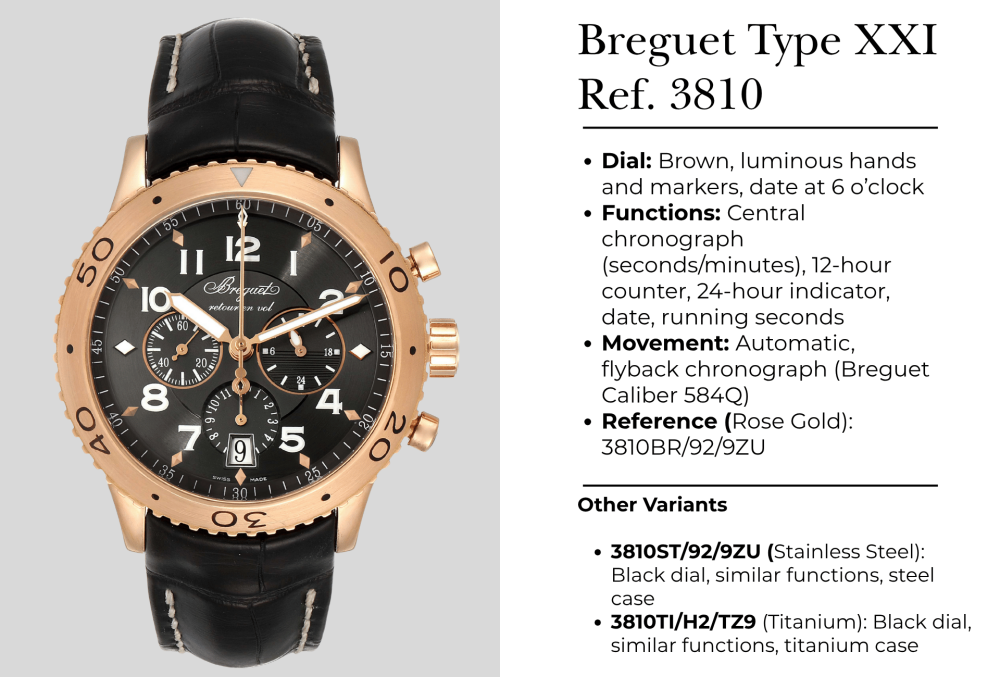
In 2004, Breguet introduced the Type XXI Ref. 3810, stepping things up with a larger 42 mm case and a more modern layout. For the first time, the chronograph seconds and minutes hands were mounted centrally, boosting legibility. A day/night indicator was added at 3 o’clock, which is pretty useful.
Then came 2010, and Breguet went full throttle. The Type XXII Ref. 3880 debuted with a high-frequency 10 Hz movement and a silicon escapement, a major leap in mechanical watch precision. Its chronograph hand completed a full sweep every 30 seconds, and it included a second time zone and date display.
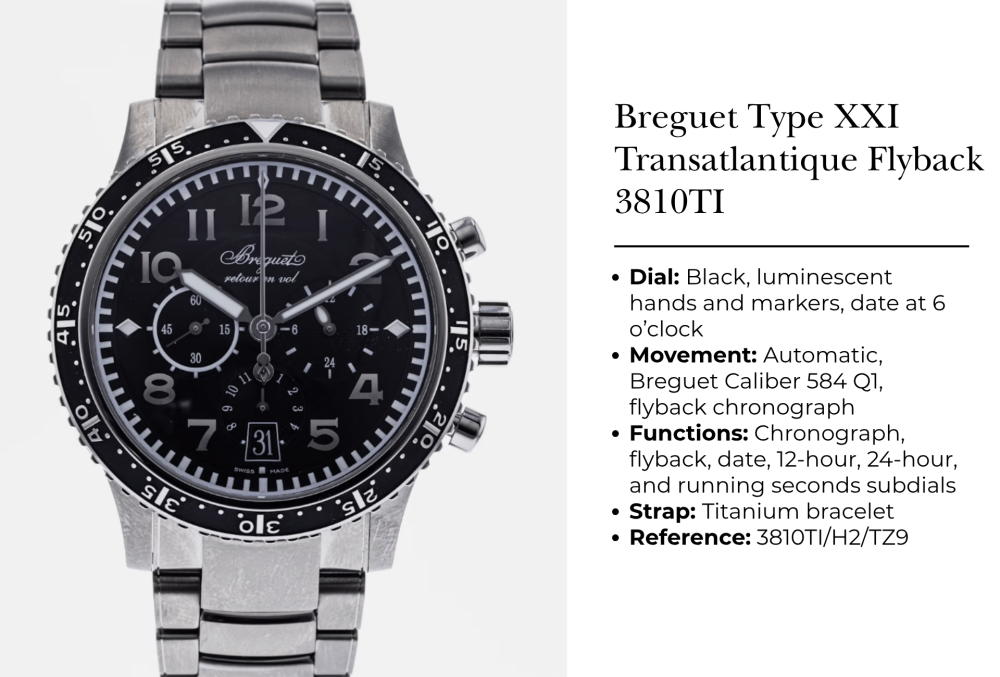
In 2012, a titanium version of the Type XXI (Ref. 3810TI) brought a lighter case and darker aesthetic, with a rotating bezel in relief and upgraded movement features.
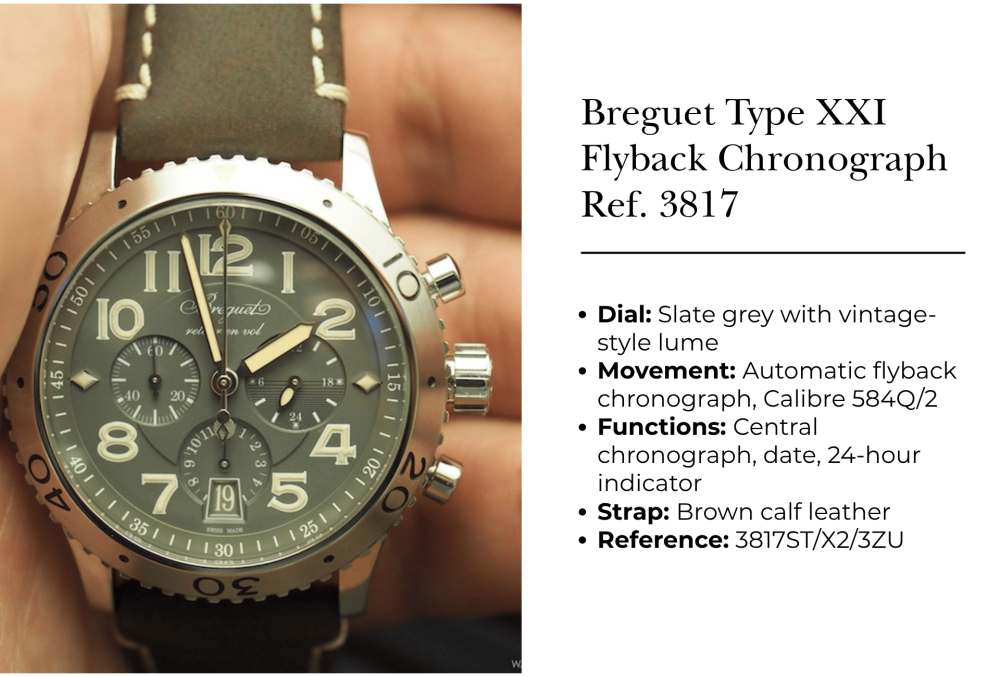
Finally, between 2016 and 2018, Breguet launched the Type XXI Ref. 3817, giving the collection a subtle nod to its roots. It came with a transparent caseback, slate grey dial, vintage lume, and retained the modern chronograph layout. It was the classic Type XX, reimagined for collectors who liked a bit of heritage with their hardware.
The 2023 Revival: Fourth Generation
In 2023, Breguet brought the Type XX back with serious intent, a full-scale technical and design overhaul. The lineup introduced two models: the Type 20 Chronographe 2057, drawing from 1950s military versions, and the Type XX Chronographe 2067, inspired by civilian references from the same era.
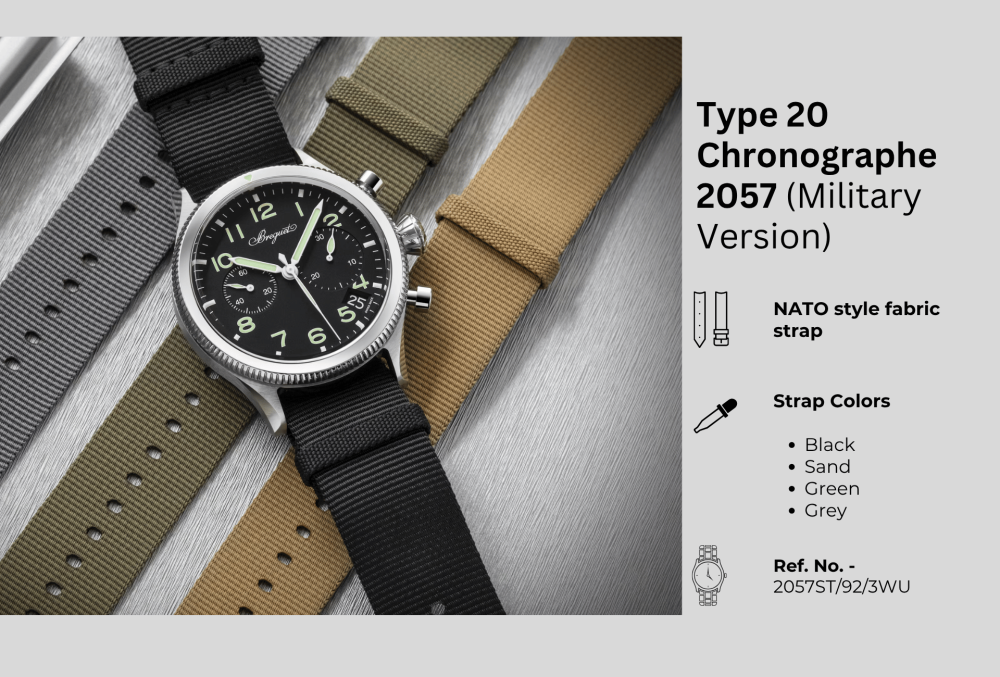
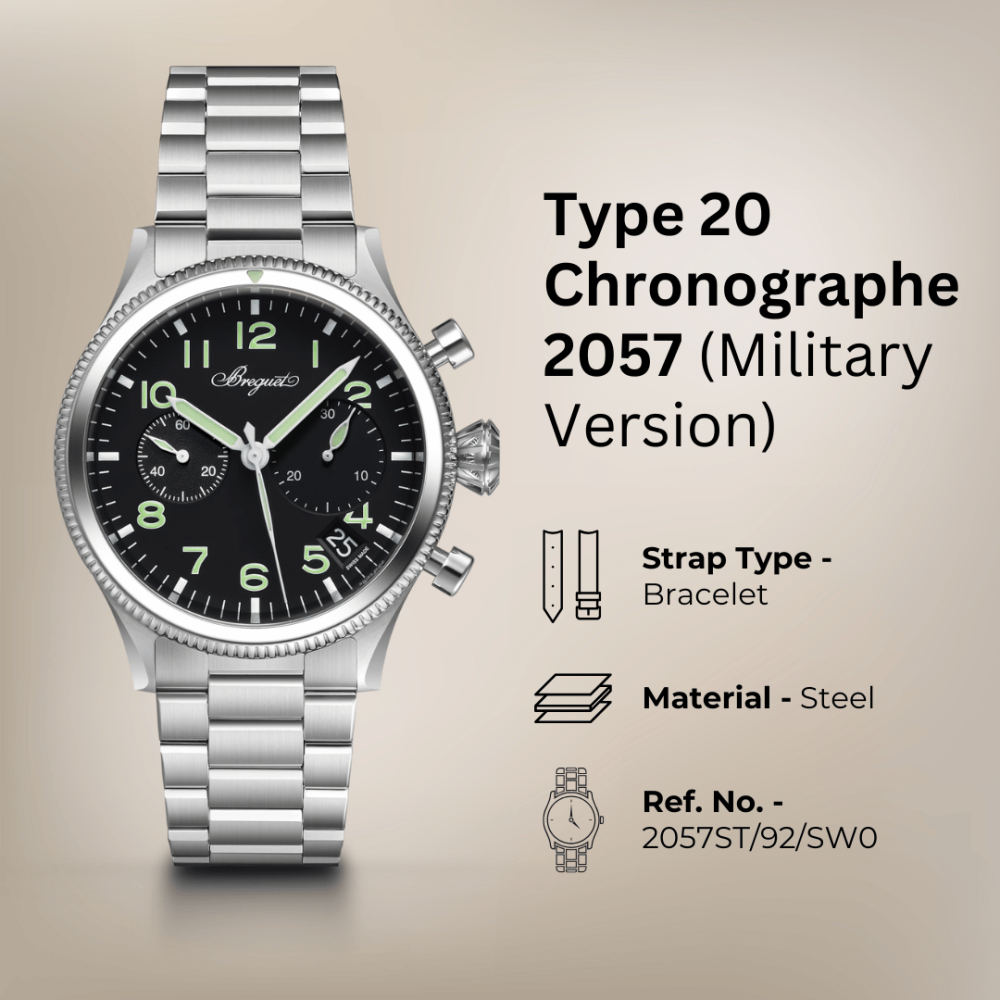
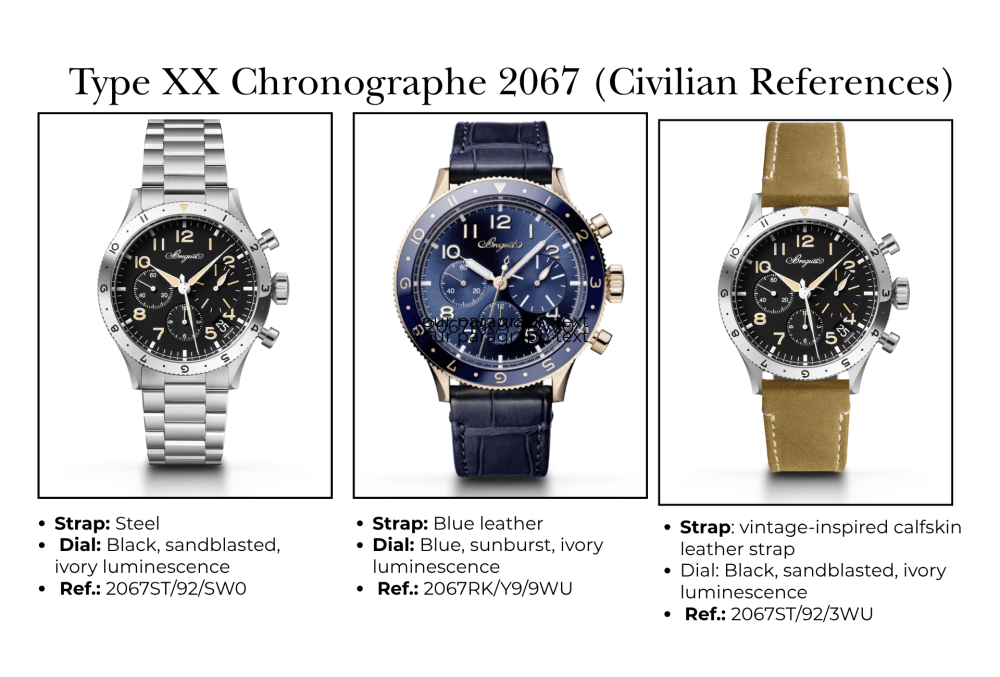
Both models feature an in-house flyback chronograph movement, the calibre 728 (2067) and 7281 (2057), developed over four years. These are high-performance automatic chronographs, fitted with silicon balance springs, column wheel mechanisms, and a 60-hour power reserve.
Design-wise, Breguet kept things honest. You get vintage-styled crowns, a fluted bidirectional bezel, and a redesigned date window neatly tucked between 4 and 5 o’clock, which is carefully positioned to preserve legibility without sacrificing symmetry.
Breguet is reasserting its legacy with specs that aren’t playing catch-up to the past but pushing it forward.
Breguet Celebrates 250 Years With Two Special Type XX Chronographe Editions
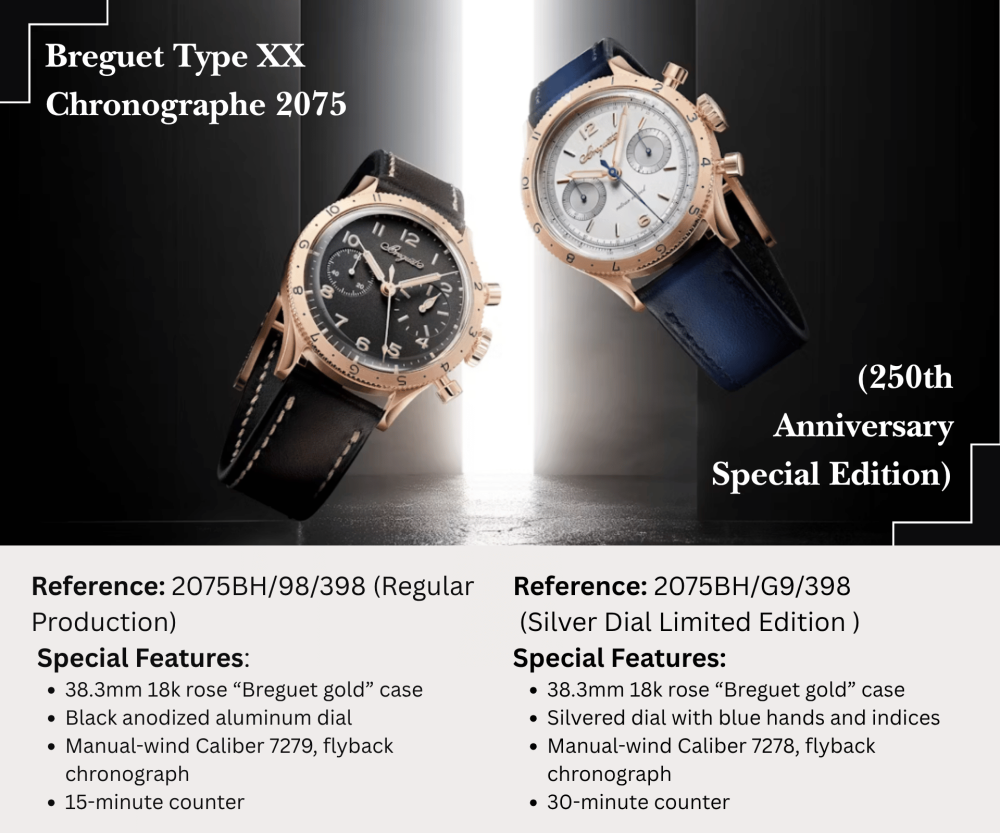
To honor its remarkable 250th anniversary, Breguet has introduced two stunning new pilot’s chronographs: the Type XX Chronographe 2075BH and an additional version equipped with a 30-minute chronograph counter. Both timepieces pay homage to Breguet’s iconic legacy in aviation, blending heritage-inspired design with contemporary watchmaking excellence.
Key Features:
New In-House Movements:
Each anniversary edition is powered by a newly-developed, manually-wound caliber (7279 or 7278). These advanced movements beat at 5Hz and offer a 60-hour power reserve, utilizing modern silicon technology such as a flat silicon balance spring and an inverted in-line lever escapement with silicon horns that ensures both reliability and cutting-edge accuracy.
Functions:
The Type XX 2075BH features hours, minutes, seconds, a flyback chronograph, and a 15-minute totalizer, evoking the original pilot’s watch functionality.
The second anniversary model offers a chronograph with a 30-minute totalizer.
Design:
Both editions combine the rugged charm of historic Breguet Type XX pilot’s watches with refined, modern craftsmanship, making them highly collectible pieces for enthusiasts and historians alike.
With these new releases, Breguet not only honors its storied past but also reaffirms its ongoing leadership in high-end horology.
Explore the Breguet Collection at Jewels By Love
Jewels By Love is an authorized retailer of Breguet, offering officially certified timepieces with the brand’s full backing and service.
Run by the Mahtani family, now in its sixth generation, the boutique has earned rare, long-standing relationships with industry leaders, including Marc Hayek (CEO of Breguet), Nicolas Hayek (Swatch Group founder), and top executives from luxury watch brands.
Alongside Breguet, their collections include Patek Philippe, Cartier, and Nomos.
Visit our store at St. Maarten Front Street 69, Philipsburg.
For any enquiry, call +1 721-542-5409, our team will be happy to assist you.